




Are there any anti - graffiti stadium fence treatments?
 Nov 06, 2025|
Graffiti on stadium fences is a persistent issue that not only mars the aesthetic appeal of sports venues but also incurs significant maintenance costs. As a leading Stadium Fence supplier, we understand the challenges faced by stadium owners and operators in combating this problem. In this blog post, we will explore various anti - graffiti treatments for stadium fences, examining their effectiveness, cost - efficiency, and environmental impact.
Understanding the Problem of Graffiti on Stadium Fences
Stadiums are high - traffic areas that attract a large number of spectators, including fans of all ages. Unfortunately, some individuals view stadium fences as a canvas for their artistic expressions, often using spray paints, markers, or other graffiti tools. Graffiti can range from simple tags to elaborate murals, and its presence can make the stadium look unkempt and less inviting. Moreover, removing graffiti can be a time - consuming and expensive process, especially if it has penetrated deep into the fence material.
Types of Stadium Fences and Their Susceptibility to Graffiti
There are several types of stadium fences commonly used, each with its own level of susceptibility to graffiti.
Chain - Link Fences
Chain - link fences are a popular choice for stadiums due to their affordability and durability. However, they are highly susceptible to graffiti as the small gaps in the mesh provide a surface for paint to adhere to. Once graffiti is applied, it can be difficult to remove without damaging the fence.
Wrought Iron Guard Rails
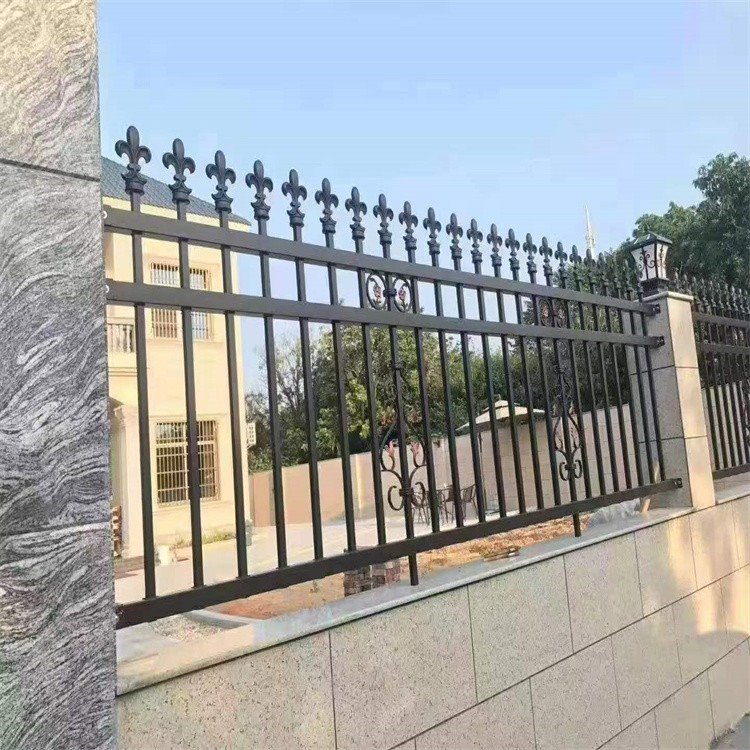
Wrought Iron Guard Rails are known for their elegant and decorative appearance. While they add a touch of sophistication to stadiums, they are also prone to graffiti. The intricate designs of wrought iron can make it challenging to clean graffiti effectively, and the metal surface can be easily scratched during the removal process.
Pedestrian Guardrail
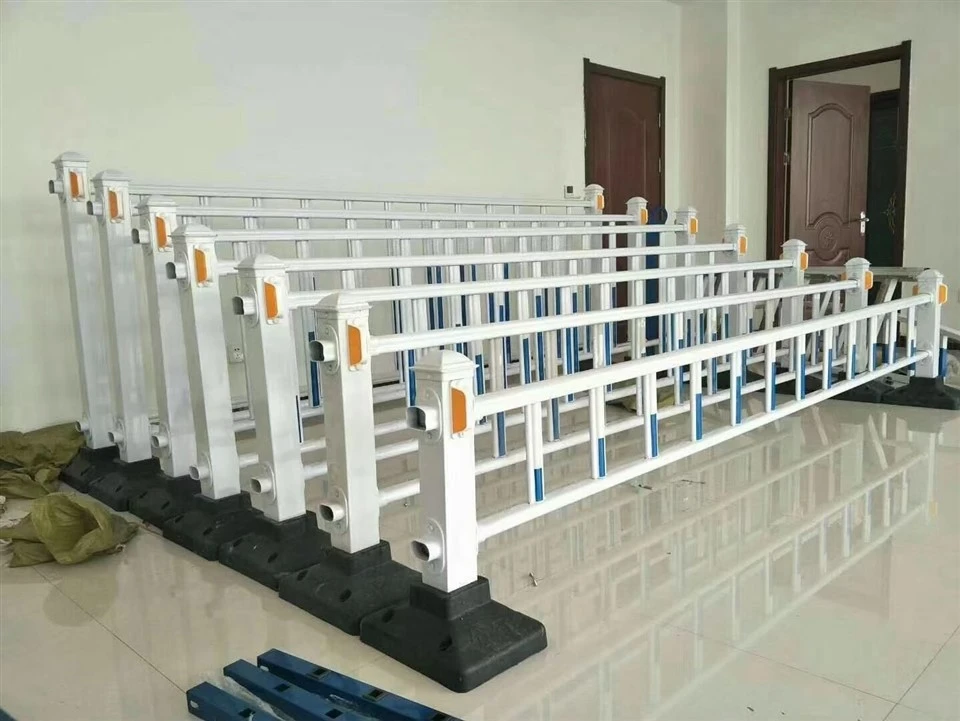
Pedestrian Guardrail is designed to provide safety for spectators. It is often made of materials such as steel or aluminum. These materials can attract graffiti, and the smooth surface may make it easier for paint to spread. However, they also offer some advantages in terms of graffiti removal compared to more porous materials.
Warning Barrier Fence
Warning Barrier Fence is used to mark off restricted areas within the stadium. It is typically made of plastic or metal. Plastic barriers can be more resistant to graffiti in some cases, but they can also be easily damaged during the removal process. Metal warning barriers face similar graffiti challenges as other metal fences.
Anti - Graffiti Treatments for Stadium Fences
Coating Treatments
One of the most common anti - graffiti treatments is the application of a special coating on the fence surface. These coatings create a protective layer that prevents graffiti from adhering to the fence. There are two main types of coating treatments: sacrificial and non - sacrificial.
Sacrificial Coatings
Sacrificial coatings are designed to be removed along with the graffiti. When graffiti is applied, it adheres to the sacrificial layer, which can then be peeled or washed off, taking the graffiti with it. This type of coating is relatively inexpensive and easy to apply. However, it needs to be reapplied regularly, especially after each graffiti removal.
Non - Sacrificial Coatings
Non - sacrificial coatings, on the other hand, repel graffiti. They have a low - surface energy that makes it difficult for paint to stick. Once graffiti is applied, it can be easily wiped or washed off with a mild detergent and water. Non - sacrificial coatings are more durable than sacrificial coatings and require less frequent reapplication. However, they are generally more expensive.
Surface Texturing
Another approach to anti - graffiti treatment is surface texturing. By creating a rough or uneven surface on the fence, it becomes more difficult for graffiti artists to apply smooth, even coats of paint. Textured surfaces can also make it easier to remove graffiti as the paint is less likely to adhere firmly. For example, sandblasting can be used to create a textured surface on metal fences. However, surface texturing may not be suitable for all types of fences, especially those with a specific aesthetic requirement.
Security Measures
In addition to physical treatments, implementing security measures can also help prevent graffiti on stadium fences. This can include installing surveillance cameras, increasing security patrols, and using anti - climbing devices. By deterring potential graffiti artists, the frequency of graffiti incidents can be significantly reduced.
Evaluating the Effectiveness of Anti - Graffiti Treatments
When choosing an anti - graffiti treatment for stadium fences, several factors need to be considered.
Cost
The cost of the treatment includes not only the initial application cost but also the long - term maintenance cost. Sacrificial coatings may be cheaper upfront but require more frequent reapplication, which can add up over time. Non - sacrificial coatings, while more expensive initially, may be more cost - effective in the long run due to their durability.
Durability
The durability of the treatment is crucial, especially in high - traffic stadium environments. The treatment should be able to withstand harsh weather conditions, UV radiation, and physical impacts. Non - sacrificial coatings generally offer better durability compared to sacrificial coatings.
Environmental Impact
In today's environmentally conscious world, it is important to consider the environmental impact of anti - graffiti treatments. Some coatings may contain harmful chemicals that can be released into the environment during application or removal. It is advisable to choose treatments that are low in volatile organic compounds (VOCs) and are biodegradable.
Compatibility with Fence Material
The anti - graffiti treatment should be compatible with the fence material. For example, some coatings may not adhere well to certain types of plastics or may cause corrosion on metal fences. It is essential to consult with a professional to ensure that the chosen treatment is suitable for the specific fence material.
Case Studies
Let's look at some real - world examples of stadiums that have successfully implemented anti - graffiti treatments.
Stadium A
Stadium A installed a non - sacrificial anti - graffiti coating on its chain - link fences. Since then, the frequency of graffiti incidents has decreased by 80%. The coating has proven to be durable, withstanding several seasons of harsh weather. The maintenance cost has also been significantly reduced as graffiti can be easily removed with a simple pressure wash.
Stadium B
Stadium B opted for surface texturing on its wrought iron guard rails. This not only made it more difficult for graffiti to be applied but also added a unique aesthetic to the fences. The textured surface has been effective in reducing graffiti, and the cost of maintenance has been lower compared to traditional cleaning methods.
Conclusion
Graffiti on stadium fences is a problem that can be effectively managed through a combination of anti - graffiti treatments and security measures. As a Stadium Fence supplier, we offer a range of solutions tailored to the specific needs of each stadium. Whether it's a coating treatment, surface texturing, or a combination of both, we can help you choose the most suitable anti - graffiti solution for your stadium fences.
If you are a stadium owner or operator looking for an effective way to combat graffiti on your fences, we invite you to contact us for a consultation. Our team of experts will be happy to discuss your requirements and provide you with a customized solution. Let's work together to keep your stadium looking its best.
References
- "Graffiti Prevention and Removal: A Guide for Public and Private Property Owners" by the International Association of Property and Facility Managers.
- "Anti - Graffiti Coatings: Technology and Applications" by the American Chemical Society.
- Various industry reports on stadium maintenance and security.