




How effective is high steel fencing in reducing noise pollution?
 Dec 11, 2025|
Hey there! I'm a supplier of High Steel Fencing, and today I want to dig into a pretty interesting topic: How effective is high steel fencing in reducing noise pollution?
Noise pollution is a real headache in our modern world. Whether it's the constant hum of traffic, the ruckus from construction sites, or the general din of a bustling city, it can really mess with our quality of life. It can cause stress, sleep problems, and even long - term health issues. So, finding ways to cut down on noise is super important.
Let's start by understanding how noise travels. Noise is basically a form of energy that moves through the air in waves. When these waves hit an object, they can either be absorbed, reflected, or transmitted through the object. The effectiveness of a noise - reducing barrier, like a high steel fence, depends on how well it deals with these three processes.
High steel fencing has some features that make it a potential candidate for noise reduction. First off, steel is a dense material. Density plays a huge role in blocking sound. When sound waves hit a dense object like a steel fence, a large portion of the energy is reflected back. Think of it like a ball hitting a wall. Instead of going through, it bounces off. This reflection can significantly reduce the amount of noise that makes it to the other side of the fence.
Another factor is the height of the fence. A high steel fence creates a physical barrier that sound waves have to go around. The taller the fence, the more difficult it is for the sound to travel over it. Sound waves tend to spread out as they move, and a high fence can intercept a larger portion of these spreading waves. This is especially useful in areas where the noise source is at ground level, like a busy road or a factory.
But it's not all sunshine and rainbows. High steel fencing also has its limitations. One of the main drawbacks is that steel is a good conductor of sound. This means that some of the sound energy can be transmitted through the fence itself. Although the amount is relatively small compared to what gets reflected, it still means that the fence won't block all the noise.
Also, the design of the fence matters a lot. A solid, continuous high steel fence will generally be more effective at reducing noise than a fence with gaps or holes. Gaps allow sound waves to pass through easily, defeating the purpose of having a barrier in the first place. So, when choosing a high steel fence for noise reduction, make sure it's well - constructed and has a solid design.
Now, let's compare high steel fencing with other types of noise - reducing barriers. For example, Fiberglass Fence. Fiberglass is a lighter material than steel. It's more porous, which means it can absorb some of the sound energy rather than just reflecting it. However, it may not be as effective at blocking low - frequency sounds as steel. Low - frequency sounds, like the rumble of traffic, are harder to stop and often require a denser material.
On the other hand, Pedestrian Guardrail is mainly designed for safety, not necessarily noise reduction. While it can provide some minor noise - blocking effects, its primary function is to keep pedestrians safe. It usually doesn't have the height or density needed to significantly reduce noise pollution.
In real - world applications, high steel fencing has been used in a variety of settings. In residential areas near busy roads, it can create a quieter living environment. Homeowners can enjoy a more peaceful atmosphere inside their properties, away from the constant traffic noise. In industrial areas, high steel fences can help protect workers from the noise generated by machinery. This can improve the working conditions and reduce the risk of hearing damage.
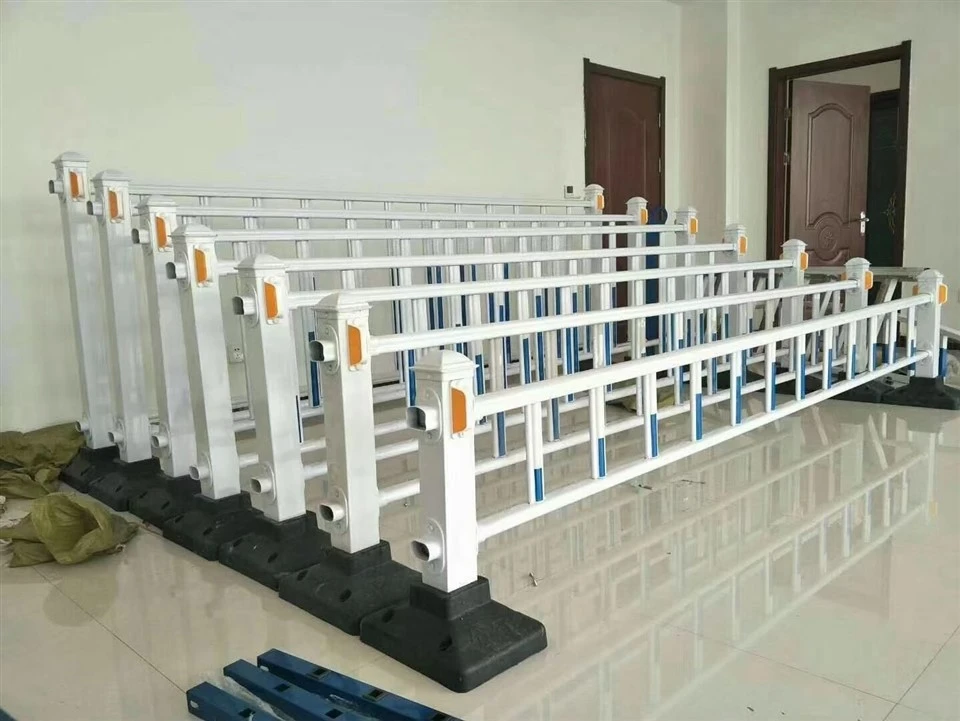

But how do we measure the effectiveness of high steel fencing in reducing noise? One common way is to use the Sound Transmission Class (STC) rating. The STC rating is a number that indicates how well a material or structure can block sound. The higher the STC rating, the better the sound - blocking ability. High steel fencing typically has an STC rating that can vary depending on its design and construction. A well - designed high steel fence can have an STC rating that is high enough to make a noticeable difference in noise levels.
To get the most out of high steel fencing for noise reduction, proper installation is key. The fence needs to be installed firmly and securely. Any loose parts or gaps can allow sound to leak through. It's also important to consider the location of the fence. Placing it as close to the noise source as possible will maximize its effectiveness.
So, if you're dealing with noise pollution and thinking about a solution, high steel fencing is definitely worth considering. It offers a good balance between noise reduction and durability. And as a High Steel Fencing supplier, I can tell you that we have a wide range of options to suit different needs and budgets.
Whether you're a homeowner looking for a quieter home, a business owner trying to create a more comfortable working environment, or a municipality looking to reduce noise in public areas, our high steel fencing can be the answer. We can help you choose the right design and height based on your specific noise - reduction requirements.
If you're interested in learning more or want to discuss your project, don't hesitate to reach out. We're here to help you find the best high steel fencing solution for your noise - reduction needs. Let's work together to create a quieter, more peaceful world.
References:
- "Noise Pollution: Sources, Effects and Control" by various environmental science textbooks.
- Industry reports on the effectiveness of different noise - reducing materials.