




How to install a warning barrier fence on a curved surface?
 Dec 04, 2025|
Installing a warning barrier fence on a curved surface can be a challenging yet rewarding task. As a supplier of high - quality Warning Barrier Fence, I've encountered numerous inquiries regarding this specific installation process. In this blog, I'll share some in - depth insights and step - by - step guidance on how to successfully install a warning barrier fence on a curved surface.
Understanding the Challenges
Curved surfaces present unique challenges compared to straight installations. The curvature requires careful planning to ensure that the fence follows the shape smoothly without gaps or kinks. The materials used for the fence must be flexible enough to bend without compromising their structural integrity. Additionally, the foundation and support system need to be designed to accommodate the curve, providing stability and durability.
Selecting the Right Fence Material
When it comes to curved surface installations, not all fence materials are created equal. Some materials are more suitable for bending and conforming to curves than others.

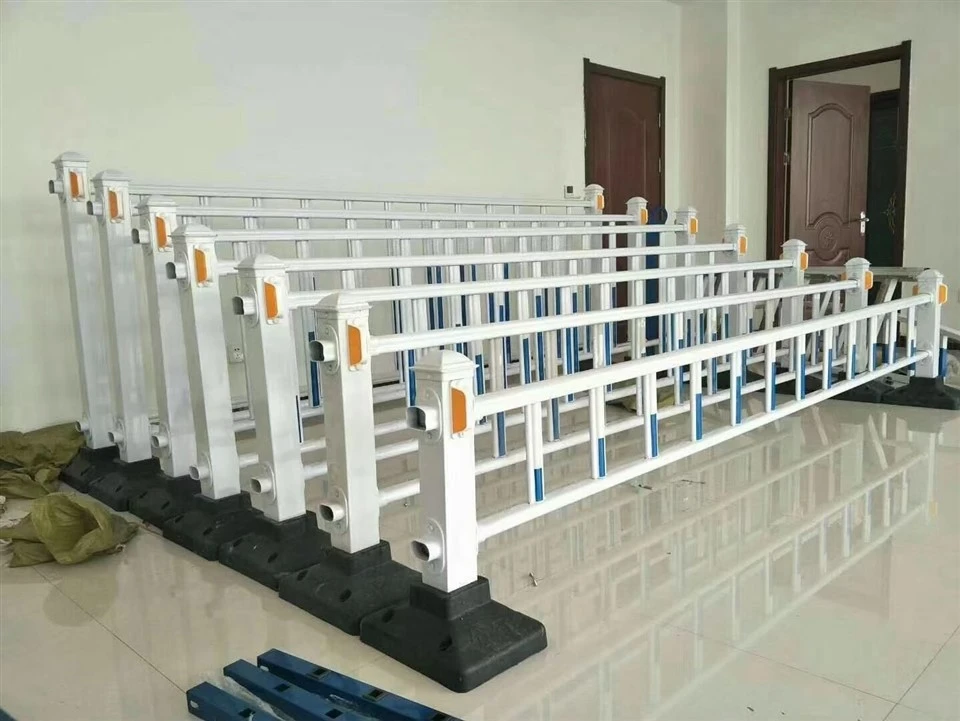
- Fiberglass Fence: Fiberglass Fence is an excellent choice for curved surfaces. It is lightweight, corrosion - resistant, and has a certain degree of flexibility. Fiberglass fences can be easily bent to follow the curve of the surface, making them ideal for areas where a smooth, continuous barrier is required.
- Wrought Iron Fence: While wrought iron is a strong and durable material, it is less flexible compared to fiberglass. However, with the help of professional bending techniques, wrought iron fences can also be installed on curved surfaces. This option is more suitable for larger, more gradual curves.
- Vinyl Fence: Vinyl fences are another popular choice. They are relatively easy to install and can be bent to a certain extent. Vinyl is also low - maintenance and comes in a variety of colors and styles.
Planning the Installation
Before you start the installation process, it's crucial to plan every detail carefully.
- Measure the Curve: Use a flexible measuring tape to accurately measure the length and radius of the curve. This information will help you determine the amount of fencing material you need and the spacing between the posts.
- Mark the Layout: Use stakes and string to mark the outline of the fence on the ground. Make sure the layout follows the curve precisely. This will serve as a guide during the installation process.
- Determine the Post Spacing: The post spacing will depend on the type of fence material and the degree of curvature. For more flexible materials like fiberglass, you can have slightly wider post spacing. However, for less flexible materials, closer post spacing may be required to support the fence.
Preparing the Foundation
A solid foundation is essential for the stability of the fence, especially on a curved surface.
- Dig the Post Holes: Use a post - hole digger to dig holes at the marked locations. The depth of the holes will depend on the height of the fence and the type of soil. In general, the holes should be at least one - third of the fence height deep.
- Level the Holes: Use a level to ensure that the holes are straight and level. This is particularly important on a curved surface to prevent the fence from leaning or sagging.
- Install the Posts: Place the posts in the holes and fill them with concrete. Make sure the posts are plumb and aligned with the curve. Use a level and a string line to check the alignment.
Installing the Fence Panels
Once the posts are set, it's time to install the fence panels.
- Bend the Panels (if necessary): If you're using a flexible material like fiberglass or vinyl, carefully bend the panels to match the curve of the surface. Use a heat gun or a bending jig to make the process easier and more precise.
- Attach the Panels to the Posts: Use appropriate fasteners, such as screws or brackets, to attach the fence panels to the posts. Make sure the connections are secure and tight.
- Check the Alignment: As you install each panel, check the alignment to ensure that the fence follows the curve smoothly. Make any necessary adjustments to the panels or the posts.
Adding Finishing Touches
After the fence panels are installed, there are a few finishing touches to add.
- Trim the Panels: Use a saw to trim any excess material from the panels. This will give the fence a clean and professional look.
- Install Caps and Accessories: Add post caps and other accessories to enhance the appearance of the fence. Caps can also help protect the posts from moisture and damage.
- Inspect the Installation: Once the installation is complete, inspect the fence carefully. Check for any loose connections, gaps, or uneven areas. Make any final adjustments as needed.
Safety Considerations
When installing a warning barrier fence on a curved surface, safety should be your top priority.
- Wear Protective Gear: Always wear safety glasses, gloves, and appropriate footwear when working with tools and materials.
- Use Proper Tools: Use the right tools for the job, and make sure they are in good working condition.
- Follow Manufacturer's Instructions: Follow the manufacturer's instructions for the fence material and any tools or equipment you're using.
Maintenance Tips
To keep your warning barrier fence in good condition, regular maintenance is required.
- Clean the Fence: Use a mild detergent and water to clean the fence periodically. This will remove dirt, debris, and any stains.
- Inspect for Damage: Regularly inspect the fence for any signs of damage, such as cracks, chips, or loose connections. Repair any damage as soon as possible to prevent further problems.
- Treat the Fence (if necessary): Depending on the type of fence material, you may need to apply a protective coating or treatment to prevent corrosion or fading.
Conclusion
Installing a warning barrier fence on a curved surface is a complex but achievable task. By selecting the right materials, planning carefully, and following the proper installation procedures, you can create a functional and aesthetically pleasing fence that meets your needs. As a Warning Barrier Fence supplier, we are committed to providing high - quality products and expert advice to help you with your fencing projects. If you're interested in purchasing a warning barrier fence or need more information about the installation process, please don't hesitate to contact us for a purchase negotiation. We look forward to working with you to create the perfect fencing solution for your curved surface.
References
- "Fence Installation Handbook" - A comprehensive guide on various fence installation techniques.
- Manufacturer's manuals for different fence materials, which provide detailed information on installation and maintenance.