




How to weld woven screen mesh?
 Jan 09, 2026|
How to Weld Woven Screen Mesh?
As a reliable woven screen mesh supplier, I often encounter inquiries about the welding process of woven screen mesh. Welding woven screen mesh is a critical procedure that requires precision and knowledge. This blog aims to share detailed information on how to weld woven screen mesh effectively.

Understanding Woven Screen Mesh
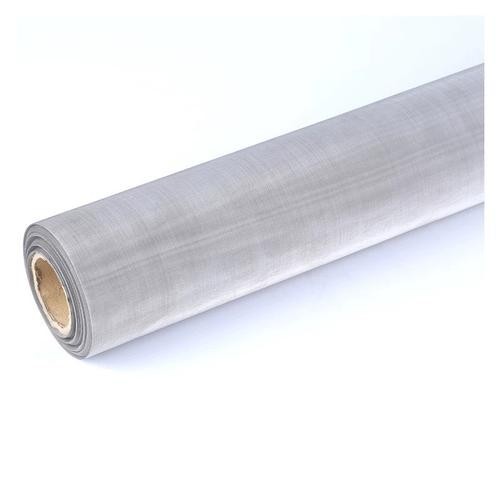
Before delving into the welding process, it's essential to understand the characteristics of woven screen mesh. Woven screen mesh is crafted by crossing and interweaving metal wires. Different materials can be used to create woven screen mesh, such as stainless steel, carbon steel, and copper. Ss Woven Wire Mesh is a popular choice due to its corrosion resistance and high strength. Woven Metal Screen is widely used in various industries, including construction, mining, and filtration. The unique structure of woven screen mesh provides excellent flexibility and durability, making it suitable for a wide range of applications.
Preparation Before Welding
- Material Selection: Choose the appropriate type of woven screen mesh according to the specific application requirements. Consider factors such as material strength, corrosion resistance, and mesh size. For example, if the mesh is to be used in a corrosive environment, stainless - steel woven screen mesh would be the best option.
- Surface Cleaning: Thoroughly clean the surface of the woven screen mesh to remove any dirt, grease, or oxides. Oxides can interfere with the welding process and result in poor weld quality. You can use a wire brush or a suitable cleaning agent to achieve a clean surface.
- Cutting and Fitting: Cut the woven screen mesh to the desired size and shape. Ensure that the edges are straight and smooth. When fitting multiple pieces of mesh together, make sure the alignment is accurate to ensure a seamless weld.
- Welding Equipment: Select the appropriate welding equipment based on the type of mesh and the welding requirements. Common welding methods for woven screen mesh include MIG (Metal Inert Gas) welding, TIG (Tungsten Inert Gas) welding, and spot welding.
Welding Methods for Woven Screen Mesh
- MIG Welding: MIG welding is a popular method for welding woven screen mesh. It uses a continuous wire electrode that is fed through a welding gun. The wire electrode melts and fuses with the mesh, creating a strong weld. MIG welding is known for its high welding speed and efficiency. During the MIG welding process, make sure to adjust the welding parameters, such as welding current, voltage, and wire feed speed, according to the thickness of the mesh. A higher welding current is required for thicker mesh, while a lower current is suitable for thinner mesh.
- TIG Welding: TIG welding is a precise welding method that uses a non - consumable tungsten electrode. TIG welding provides a high - quality weld with excellent control over the welding process. It is often used for welding delicate or high - quality woven screen mesh. When using TIG welding, a shielding gas, such as argon, is used to protect the weld area from oxidation. TIG welding requires more skill and experience compared to MIG welding due to its lower heat input and more precise control requirements.
- Spot Welding: Spot welding is suitable for joining small areas of woven screen mesh together. It creates a series of individual weld spots at specific intervals. Spot welding is a quick and efficient method, especially for applications where a continuous weld is not required. To perform spot welding, place the mesh between the electrodes of the spot - welding machine and apply pressure and an electric current. The heat generated by the electric current melts the metal at the contact points, creating a weld.
Welding Process
- Set Up the Welding Machine: Follow the manufacturer's instructions to set up the welding machine correctly. Adjust the welding parameters according to the type and thickness of the woven screen mesh.
- Positioning: Place the woven screen mesh in the desired position for welding. Use clamps or fixtures to hold the mesh firmly in place to prevent movement during the welding process. This ensures that the welds are straight and consistent.
- Start Welding: Begin the welding process according to the chosen welding method. For example, in MIG welding, start the wire feed and the arc, and then move the welding gun along the joint at a steady speed. In TIG welding, strike the arc and carefully add filler metal if necessary. When spot welding, activate the spot - welding machine at the appropriate intervals.
- Weld Bead Control: Pay attention to the shape and size of the weld bead. A uniform and smooth weld bead indicates a high - quality weld. Adjust the welding speed and parameters as needed to achieve the desired weld bead.
- Cooling and Inspection: After welding, allow the welded mesh to cool naturally. Inspect the welds for any defects, such as cracks, porosity, or incomplete fusion. If any defects are found, repair them immediately using the appropriate method.
Post - Welding Treatment
- Cleaning: Remove any welding spatter or slag from the surface of the welded mesh. This can be done using a wire brush or a grinder.
- Surface Treatment: Depending on the application, the welded mesh may require surface treatment, such as painting, galvanizing, or powder coating. Surface treatment can enhance the corrosion resistance and appearance of the mesh.
- Quality Testing: Conduct quality tests on the welded mesh, such as tensile strength tests and leak - tightness tests, to ensure that it meets the required standards.
Tips for Successful Welding
- Practice: Welding is a skill that requires practice. Before welding the actual project, practice on scrap pieces of mesh to get familiar with the welding equipment and process.
- Safety First: Wear appropriate safety equipment, such as welding gloves, goggles, and a welding helmet. Ensure that the welding area is well - ventilated to avoid inhaling harmful fumes.
- Maintain Equipment: Regularly maintain and calibrate the welding equipment to ensure its proper functioning. This includes cleaning the welding gun, replacing worn - out parts, and checking the gas supply.
At our company, we take pride in providing high - quality Woven Metal Screen for various industries. Our products are made from premium materials and undergo strict quality control. If you are in need of woven screen mesh or have any questions about the welding process, feel free to contact us. We are ready to assist you in finding the best solutions for your projects. Whether you require standard or custom - made woven screen mesh, we can meet your needs. Our team of experts is always available to provide professional advice and support throughout the procurement process.
References
- "Welding Handbook" by American Welding Society
- "Metal Welding: Principles and Applications" by Larry Jeffus