




What are the disadvantages of using metal fence netting?
 Dec 16, 2025|
 As a fence netting supplier, I've witnessed firsthand the widespread use of metal fence netting in various applications, from residential properties to industrial sites. While metal fence netting offers numerous advantages such as durability, strength, and security, it's essential to acknowledge that it also comes with its fair share of disadvantages. In this blog post, I'll delve into some of the key drawbacks of using metal fence netting, providing you with a comprehensive understanding to make informed decisions for your fencing needs.

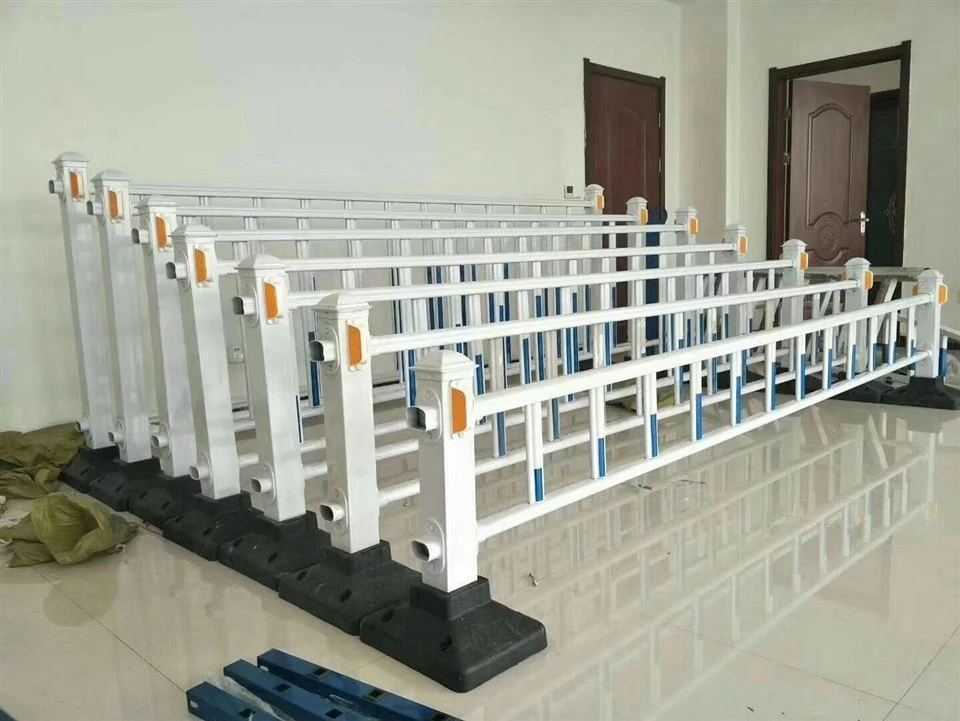
High Initial Cost
One of the most significant disadvantages of metal fence netting is its relatively high initial cost compared to other fencing materials. The price of metal fence netting can vary depending on factors such as the type of metal used, the gauge of the wire, and the size of the mesh. For instance, stainless steel and aluminum fence netting tend to be more expensive than galvanized steel due to their superior corrosion resistance and aesthetic appeal. Additionally, the cost of installation can add up, especially if you require a professional to handle the job. This upfront investment can be a deterrent for budget-conscious consumers or those with large areas to fence.
Prone to Corrosion
Another major drawback of metal fence netting is its susceptibility to corrosion, particularly in harsh environmental conditions. Metal fence netting exposed to moisture, saltwater, or chemicals is at risk of rusting and deteriorating over time. This not only compromises the structural integrity of the fence but also affects its appearance, making it look unsightly. While some metal fence netting is treated with anti-corrosion coatings such as galvanization or powder coating, these treatments are not always foolproof and may wear off over time, leaving the metal vulnerable to corrosion. Regular maintenance, including cleaning and repainting, is often required to prevent corrosion and extend the lifespan of the fence.
Limited Aesthetic Appeal
In some cases, metal fence netting may not offer the same aesthetic appeal as other fencing materials such as wood or vinyl. The industrial look of metal fence netting may not complement the architectural style of certain properties, especially those with a more traditional or rustic design. Additionally, metal fence netting can be quite visible from a distance, which may not be desirable for those who want a more discreet or private fencing solution. While there are some options available to enhance the appearance of metal fence netting, such as adding decorative elements or using a powder coating in a more attractive color, these options can also increase the cost of the fence.
Noise and Vibration
Metal fence netting can generate noise and vibration when exposed to wind, traffic, or other external forces. The rattling or clanging sound produced by metal fence netting can be a nuisance, especially in residential areas or near noise-sensitive locations such as hospitals or schools. Additionally, metal fence netting can transmit vibrations, which can cause discomfort or damage to nearby structures. To mitigate these issues, it's important to ensure that the fence is properly installed and secured, and that any loose or rattling components are tightened or replaced.
Difficult to Install and Maintain
Installing metal fence netting can be a challenging and time-consuming process, especially for those who are not experienced in fencing installation. Metal fence netting is typically heavy and requires specialized tools and equipment to install properly. Additionally, the installation process may involve digging post holes, setting posts, and attaching the fence panels, which can be physically demanding and require a certain level of skill. Once installed, metal fence netting may also require regular maintenance to keep it in good condition. This can include cleaning, painting, and inspecting the fence for any signs of damage or wear.
Environmental Impact
The production and disposal of metal fence netting can have a significant environmental impact. The mining and processing of metals require large amounts of energy and resources, and can result in the release of pollutants and greenhouse gases into the environment. Additionally, metal fence netting that is no longer in use may end up in landfills, where it can take a long time to decompose. To minimize the environmental impact of metal fence netting, it's important to choose products that are made from recycled materials and to dispose of old fence netting in an environmentally responsible manner.
Safety Concerns
Metal fence netting can pose certain safety concerns, especially for children and pets. The sharp edges and points of metal fence netting can cause cuts and injuries, and the small gaps in the mesh can pose a risk of entrapment. Additionally, metal fence netting that is not properly installed or maintained can become loose or unstable, posing a risk of collapse. To ensure the safety of your family and pets, it's important to choose metal fence netting that has smooth edges and rounded corners, and to install the fence in a way that minimizes the risk of entrapment.
Limited Flexibility
Metal fence netting is relatively rigid and inflexible compared to other fencing materials such as chain-link or vinyl. This can make it difficult to install around curves or irregularly shaped areas, and may require additional cutting and shaping to fit the desired layout. Additionally, metal fence netting may not be suitable for applications where flexibility is required, such as in areas where the ground may shift or settle over time.
Conclusion
While metal fence netting offers many advantages, it's important to consider the potential disadvantages before making a decision. The high initial cost, susceptibility to corrosion, limited aesthetic appeal, noise and vibration, difficult installation and maintenance, environmental impact, safety concerns, and limited flexibility are all factors that should be taken into account. As a fence netting supplier, I recommend carefully evaluating your specific needs and preferences, as well as the environmental conditions and budget constraints of your project, before choosing a fencing material. If you have any questions or need further information about metal fence netting or other fencing options, please don't hesitate to contact us for a free consultation and quote. We're here to help you find the perfect fencing solution for your needs.
References
- "Fencing Materials: Pros and Cons." HomeAdvisor. Accessed [date].
- "Metal Fence Maintenance: How to Keep Your Fence Looking Great." The Spruce. Accessed [date].
- "Environmental Impact of Fencing Materials." Green Building Elements. Accessed [date].