




How do pedestrian guardrails improve the overall appearance of an area?
 Dec 05, 2025|
Pedestrian guardrails serve multiple purposes beyond their primary function of ensuring safety. They can significantly enhance the overall appearance of an area, transforming a mundane or utilitarian space into an aesthetically pleasing environment. As a pedestrian guardrail supplier, I have witnessed firsthand how these structures can elevate the visual appeal of various settings, from urban streets to rural landscapes. In this blog post, I will explore the ways in which pedestrian guardrails contribute to the overall appearance of an area and why they are an essential element of modern design.
Enhancing Architectural Harmony
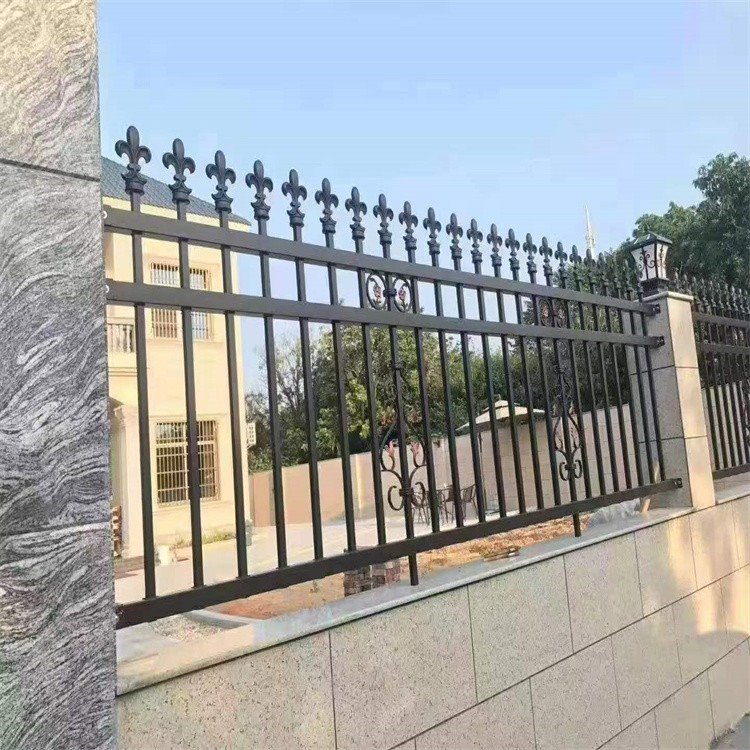
One of the key ways in which pedestrian guardrails improve the overall appearance of an area is by enhancing architectural harmony. When carefully selected and installed, guardrails can complement the existing architectural style of a building or a public space, creating a cohesive and unified look. For example, in a historic district, wrought iron guardrails can add a touch of elegance and charm, evoking the era of craftsmanship and attention to detail. These guardrails often feature intricate designs and ornate patterns that blend seamlessly with the architecture of the surrounding buildings, enhancing the overall aesthetic appeal of the area.
On the other hand, in a modern urban environment, sleek and minimalist guardrails made of stainless steel or aluminum can provide a contemporary and sophisticated look. These materials are known for their durability and low maintenance requirements, making them ideal for high-traffic areas. The clean lines and smooth surfaces of modern guardrails can create a sense of openness and transparency, while still providing the necessary safety and protection. By choosing guardrails that are in harmony with the architectural style of the area, designers can create a visually appealing and cohesive environment that is both functional and beautiful.
Creating Visual Interest
Pedestrian guardrails can also create visual interest and add a dynamic element to an area. They can serve as focal points or landmarks, drawing the attention of passersby and adding a sense of character and personality to the space. For instance, a brightly colored guardrail can stand out against a neutral backdrop, creating a pop of color and adding a playful and energetic vibe to the area. Similarly, guardrails with unique shapes or designs can create a sense of intrigue and curiosity, encouraging people to explore the space further.
In addition to color and shape, guardrails can also incorporate decorative elements such as lighting, plants, or artwork to enhance their visual appeal. Lighting can be used to illuminate the guardrail at night, creating a dramatic and inviting atmosphere. Plants can be added to planters or hanging baskets attached to the guardrail, adding a touch of greenery and natural beauty to the area. Artwork can be integrated into the design of the guardrail, such as sculptures or murals, to create a unique and memorable experience for visitors. By incorporating these decorative elements, designers can transform a simple guardrail into a work of art, enhancing the overall visual interest and appeal of the area.
Defining Spaces and Creating Boundaries
Another important function of pedestrian guardrails is to define spaces and create boundaries. They can be used to separate different areas within a public space, such as sidewalks, bike lanes, or seating areas. By clearly defining these spaces, guardrails can help to organize the flow of traffic and improve the safety and comfort of pedestrians. For example, a guardrail can be used to separate a sidewalk from a busy street, providing a physical barrier that protects pedestrians from vehicles and reduces the risk of accidents.
In addition to separating different areas, guardrails can also be used to create boundaries around private or restricted areas. They can be used to enclose gardens, parks, or other public spaces, providing a sense of security and privacy. By creating clear boundaries, guardrails can help to define the limits of the space and encourage people to respect the rules and regulations of the area. This can contribute to a more orderly and enjoyable environment for everyone.

Improving Safety and Accessibility
While the aesthetic appeal of pedestrian guardrails is important, their primary function is to ensure the safety and accessibility of pedestrians. Guardrails provide a physical barrier that prevents people from falling or being struck by vehicles, reducing the risk of accidents and injuries. They can also be designed to meet specific safety standards and requirements, such as the height and strength of the guardrail, to ensure maximum protection.
In addition to safety, guardrails can also improve the accessibility of an area. They can be designed to accommodate people with disabilities, such as wheelchair ramps or handrails. By providing these features, guardrails can ensure that everyone has equal access to the space and can move around safely and independently. This can contribute to a more inclusive and accessible environment for all members of the community.
Conclusion
In conclusion, pedestrian guardrails play a crucial role in improving the overall appearance of an area. They can enhance architectural harmony, create visual interest, define spaces and create boundaries, and improve safety and accessibility. As a pedestrian guardrail supplier, I understand the importance of choosing the right guardrails for each project. Whether it's a historic district, a modern urban environment, or a public park, I can provide a wide range of guardrail options that are not only functional but also aesthetically pleasing.
If you are interested in enhancing the appearance of your area with pedestrian guardrails, I encourage you to contact me to discuss your project. I can provide you with more information about our products and services, and help you choose the right guardrails for your specific needs. Together, we can create a safe, beautiful, and functional environment that you can be proud of.
References
- "The Importance of Pedestrian Guardrails in Urban Design." Urban Design Magazine, vol. 25, no. 3, 2020, pp. 45-52.
- "Enhancing Safety and Aesthetics with Pedestrian Guardrails." Journal of Transportation Safety and Security, vol. 12, no. 2, 2021, pp. 78-85.
- "Designing Pedestrian Guardrails for Accessibility." Accessibility Today, vol. 15, no. 4, 2022, pp. 32-39.