




What are the friction properties of extruded steel mesh?
 Dec 22, 2025|
What are the friction properties of extruded steel mesh?
As a dedicated supplier of extruded steel mesh, I am often asked about the friction properties of this remarkable material. Extruded steel mesh is a versatile product that finds applications in a wide range of industries, from construction and manufacturing to transportation and agriculture. Understanding its friction properties is crucial for ensuring its optimal performance in various scenarios.
Factors Affecting Friction Properties
The friction properties of extruded steel mesh are influenced by several key factors. One of the primary factors is the surface roughness of the mesh. A rougher surface typically results in higher friction, as it provides more contact points and increases the interlocking between the mesh and the contacting surface. The manufacturing process of extruded steel mesh can be adjusted to control the surface roughness, allowing for customization based on specific application requirements.
The material composition of the steel also plays a significant role in determining friction. Different types of steel alloys have varying levels of hardness, ductility, and surface energy, which can all impact friction. For example, stainless steel extruded mesh may have different friction characteristics compared to carbon steel mesh due to its unique chemical composition and corrosion - resistant properties.
The load applied to the extruded steel mesh is another important factor. Higher loads generally increase the frictional force between the mesh and the surface it is in contact with. This is because the increased load compresses the mesh against the surface, increasing the real area of contact and thus enhancing the frictional interaction.
The relative motion between the extruded steel mesh and the contacting surface also affects friction. Static friction, which occurs when there is no relative motion between the two surfaces, is typically higher than kinetic friction, which is present during motion. Understanding the difference between static and kinetic friction is essential for applications where starting and maintaining motion are critical.
Applications and Friction Requirements
In construction, extruded steel mesh is commonly used as a reinforcement material in concrete structures. The friction between the mesh and the concrete is crucial for ensuring proper bonding and load transfer. A high - friction surface on the mesh helps to prevent slippage and enhances the overall structural integrity of the concrete. For instance, in bridge decks, the extruded steel mesh must have sufficient friction to withstand the dynamic loads caused by traffic and environmental factors.
In the manufacturing industry, extruded steel mesh is used in conveyor systems. The friction properties of the mesh determine its ability to grip and transport materials effectively. If the friction is too low, the materials may slip on the conveyor, leading to inefficiencies and potential damage. On the other hand, excessive friction can cause excessive wear on the mesh and the conveyor components. Therefore, finding the right balance of friction is essential for optimal conveyor performance.

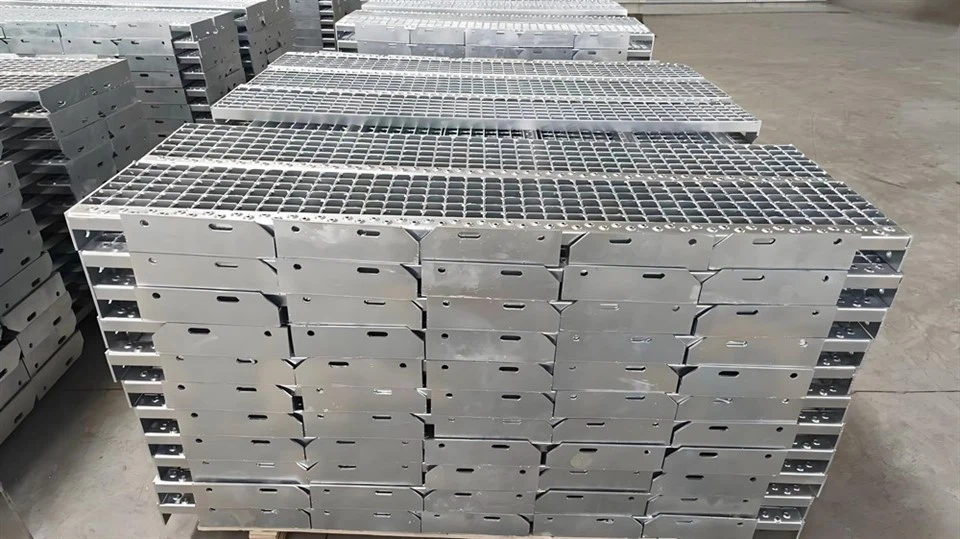
In the transportation sector, extruded steel mesh is used in vehicle flooring and traction applications. In trucks and buses, the mesh provides a non - slip surface for passengers and cargo. The friction properties of the mesh need to be carefully designed to ensure safety, especially in wet or slippery conditions. Similarly, in off - road vehicles, the mesh can be used in tire treads or as a traction aid, where high friction is required to improve grip on uneven terrain.
Comparing with Other Mesh Products
When comparing extruded steel mesh with other mesh products such as Perforated Sheet Material and Perforated Stainless Steel Panels, the friction properties can vary significantly. Perforated sheet materials often have a smoother surface compared to extruded steel mesh, resulting in lower friction. This can be an advantage in applications where low - friction movement is desired, such as in some types of machinery where parts need to slide easily.
Perforated stainless steel panels, while having good corrosion resistance, may also have different friction characteristics depending on their surface finish. The holes in the perforated panels can affect the distribution of contact forces and thus the friction. In contrast, extruded steel mesh has a more complex and irregular surface structure, which generally provides higher friction and better grip.
Another product to consider is Flat Grating. Flat grating typically has a more open structure compared to extruded steel mesh. The friction properties of flat grating are often influenced by the shape and size of the bars and the spacing between them. Extruded steel mesh, with its unique extruded pattern, can offer different levels of friction and may be more suitable for applications where a more continuous and uniform frictional surface is required.
Testing and Quality Assurance
To ensure the desired friction properties of extruded steel mesh, rigorous testing procedures are employed. Friction testing can be performed using specialized equipment that measures the frictional force between the mesh and a standard test surface under controlled conditions. These tests can simulate different loads, speeds, and environmental factors to accurately evaluate the friction performance of the mesh.
Quality assurance measures are also in place throughout the manufacturing process. From the selection of raw materials to the final finishing of the mesh, strict quality control checks are carried out to ensure that the friction properties meet the specified requirements. This includes monitoring the surface roughness, material composition, and dimensional accuracy of the mesh.
Conclusion and Call to Action
In conclusion, the friction properties of extruded steel mesh are complex and depend on multiple factors such as surface roughness, material composition, load, and relative motion. These properties play a crucial role in a wide range of applications, from construction and manufacturing to transportation and agriculture. Understanding these friction properties allows for the optimal selection and use of extruded steel mesh in different scenarios.
If you are in need of high - quality extruded steel mesh with specific friction requirements for your project, we are here to help. Our team of experts can provide you with detailed information and guidance on choosing the right mesh for your application. We offer a wide range of extruded steel mesh products that can be customized to meet your exact needs. Contact us today to start a discussion about your procurement requirements and let us work together to find the best solution for you.
References
- Bowden, F. P., & Tabor, D. (1950). The Friction and Lubrication of Solids. Oxford University Press.
- Bhushan, B. (2013). Principles and Applications of Tribology. John Wiley & Sons.
- ASTM International. (2021). ASTM Standards on Friction and Wear Testing. ASTM International.