




What is the corrosion resistance of a metal mesh cage?
 Oct 29, 2025|
Corrosion is a natural process that gradually degrades metals through chemical reactions with their environment. For a Metal Mesh Cage supplier like me, understanding and ensuring the corrosion resistance of our products is of utmost importance. In this blog, we'll delve into what corrosion resistance means for metal mesh cages, the factors that influence it, and how we ensure our cages can withstand the test of time and harsh conditions.
What is Corrosion Resistance?
Corrosion resistance refers to a metal's ability to prevent or slow down the deterioration caused by chemical or electrochemical reactions with substances in its surroundings. When a metal mesh cage is exposed to elements such as moisture, oxygen, salt, or certain chemicals, it can start to corrode. This corrosion can weaken the cage, reduce its structural integrity, and eventually lead to failure.
A corrosion - resistant metal mesh cage maintains its physical and mechanical properties over an extended period, even when exposed to corrosive environments. This not only ensures the longevity of the cage but also its safety and functionality. For example, in applications where the cage is used to hold heavy objects or in areas where safety is critical, corrosion resistance can be a matter of life and death.
Factors Affecting Corrosion Resistance of Metal Mesh Cages
Metal Composition
The type of metal used in the construction of a mesh cage plays a crucial role in its corrosion resistance. Common metals used for mesh cages include carbon steel, stainless steel, and galvanized steel.
- Carbon Steel: Carbon steel is a widely used material due to its low cost and high strength. However, it is highly susceptible to corrosion, especially in the presence of moisture and oxygen. When carbon steel corrodes, it forms iron oxide (rust), which can flake off and expose more of the metal to further corrosion.
- Stainless Steel: Stainless steel contains chromium, which forms a thin, protective oxide layer on the surface of the metal. This layer acts as a barrier, preventing oxygen and moisture from reaching the underlying metal and thus providing excellent corrosion resistance. Different grades of stainless steel have varying levels of corrosion resistance, depending on their chromium and other alloying element content.
- Galvanized Steel: Galvanized steel is carbon steel that has been coated with a layer of zinc. The zinc coating acts as a sacrificial anode, corroding in place of the steel. This provides a high level of corrosion protection, especially in outdoor and marine environments.
Coating and Surface Treatment
In addition to the metal composition, the coating and surface treatment of a mesh cage can significantly enhance its corrosion resistance.
- Powder Coating: Powder coating involves applying a dry powder to the surface of the metal and then baking it to form a hard, protective layer. Powder coatings can provide excellent corrosion resistance, as well as resistance to abrasion and chemicals. They also come in a variety of colors, allowing for customization of the mesh cage.
- Hot - Dip Galvanizing: Hot - dip galvanizing is a process where the metal is dipped into a bath of molten zinc. This creates a thick, durable zinc coating that provides long - term corrosion protection. Hot - dip galvanized mesh cages are commonly used in outdoor and industrial applications.
- Electroplating: Electroplating is a process where a thin layer of metal, such as nickel or chrome, is deposited onto the surface of the mesh cage using an electric current. Electroplated coatings can provide good corrosion resistance and a decorative finish.
Environmental Conditions
The environment in which the metal mesh cage is used also affects its corrosion resistance.
- Moisture: Moisture is one of the main factors that contribute to corrosion. In humid environments or areas where the cage is exposed to water, the rate of corrosion can be significantly increased. For example, mesh cages used in coastal areas or in water treatment plants are more likely to corrode due to the high humidity and presence of saltwater.
- Chemicals: Exposure to chemicals such as acids, alkalis, and salts can also accelerate corrosion. In industrial environments, mesh cages may be exposed to a variety of chemicals, which can cause rapid deterioration if the cage is not properly protected.
- Temperature: High temperatures can increase the rate of chemical reactions, including corrosion. In addition, thermal cycling (repeated heating and cooling) can cause stress in the metal, leading to cracking and increased corrosion.
Our Approach to Ensuring Corrosion Resistance
As a Metal Mesh Cage supplier, we take several steps to ensure that our products have high corrosion resistance.
Material Selection
We carefully select the materials for our mesh cages based on the intended application and the environmental conditions. For applications where corrosion resistance is a primary concern, we recommend using stainless steel or galvanized steel. We also offer a range of coatings and surface treatments to further enhance the corrosion resistance of our products.
Quality Control
We have a strict quality control process in place to ensure that all our mesh cages meet the highest standards of corrosion resistance. Our quality control team conducts regular inspections and tests on the raw materials, during the manufacturing process, and on the finished products. We use advanced testing methods, such as salt spray testing, to evaluate the corrosion resistance of our mesh cages.
Customization
We understand that different customers have different requirements for corrosion resistance. That's why we offer customized solutions, allowing us to tailor the material, coating, and surface treatment of our mesh cages to meet the specific needs of each customer. Whether you need a mesh cage for a harsh industrial environment or a decorative cage for a residential application, we can provide a solution that meets your requirements.
Applications of Corrosion - Resistant Metal Mesh Cages
Industrial Applications
In industrial settings, corrosion - resistant mesh cages are used for a variety of purposes, such as material handling, storage, and safety barriers. For example, in chemical plants, mesh cages are used to store and transport corrosive chemicals. The high corrosion resistance of the cages ensures that they can withstand the harsh chemical environment and prevent leaks and spills.
Outdoor and Marine Applications
Outdoor and marine environments are particularly harsh on metal structures due to the presence of moisture, salt, and UV radiation. Corrosion - resistant mesh cages are used in these environments for applications such as coastal fencing, fish farming, and boat storage. The cages need to be able to withstand the corrosive effects of saltwater and the elements, ensuring long - term durability and safety.
Residential and Commercial Applications
In residential and commercial settings, mesh cages are used for decorative purposes, as well as for security and storage. For example, decorative mesh cages can be used to enclose gardens or as part of architectural features. Corrosion - resistant cages ensure that these decorative elements maintain their appearance and functionality over time.

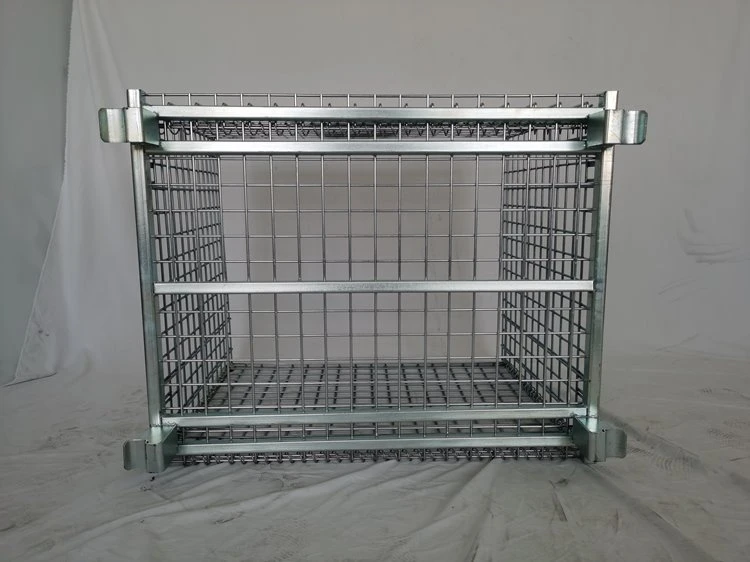
Other Related Products
In addition to Metal Mesh Cages, we also offer Welded Wire Screen and Mineral Processing Screens. These products also require high corrosion resistance, especially in industrial and outdoor applications. Our welded wire screens are used for a variety of purposes, such as filtration, separation, and protection. Our mineral processing screens are designed to withstand the harsh conditions of mineral processing plants, including exposure to abrasive materials and chemicals.
Contact Us for Your Metal Mesh Cage Needs
If you're in the market for a corrosion - resistant metal mesh cage, we're here to help. Our team of experts can provide you with detailed information about our products, including their corrosion resistance, material options, and customization possibilities. We offer competitive prices, high - quality products, and excellent customer service.
Whether you need a small, custom - made cage or a large - scale order for an industrial project, we can meet your requirements. Contact us today to discuss your needs and get a quote for your metal mesh cage.
References
- Fontana, M. G. (1986). Corrosion Engineering. McGraw - Hill.
- Uhlig, H. H., & Revie, R. W. (1985). Corrosion and Corrosion Control: An Introduction to Corrosion Science and Engineering. Wiley.
- ASM Handbook, Volume 13A: Corrosion: Fundamentals, Testing, and Protection. ASM International.