




What is the strength of metal sheet mesh?
 Jan 12, 2026|
As a seasoned supplier of metal sheet mesh, I've witnessed firsthand the remarkable versatility and strength that this material brings to a wide array of industries. In this blog, I'll delve into the various aspects of the strength of metal sheet mesh, exploring its unique properties, applications, and why it stands out as a top choice for many projects.
Physical and Mechanical Strength
One of the most prominent features of metal sheet mesh is its inherent physical strength. The material is typically made from high - quality metals such as steel, stainless steel, and aluminum. These metals are known for their robustness and durability. For instance, steel sheet mesh can withstand heavy loads and impacts without deforming easily. This makes it suitable for applications where structural integrity is crucial, like in industrial flooring and fencing.
The mechanical strength of metal sheet mesh is also a result of its manufacturing process. Through techniques such as perforation and weaving, the mesh is engineered to distribute stress evenly across its surface. When a force is applied to the mesh, it doesn't concentrate at a single point but spreads out, reducing the risk of breakage. This even stress distribution is particularly important in applications where the mesh is exposed to dynamic loads, such as in conveyor belts or machine guards.
Corrosion Resistance
In addition to its physical and mechanical strength, metal sheet mesh often exhibits excellent corrosion resistance. Stainless steel mesh, for example, contains chromium, which forms a passive oxide layer on the surface of the metal. This layer acts as a barrier, preventing oxygen and moisture from reaching the underlying metal and causing rust. This property is vital in outdoor applications or in environments with high humidity or chemical exposure.
Aluminum mesh is another option that offers good corrosion resistance. Aluminum naturally forms a thin oxide layer on its surface, which protects it from corrosion. This makes aluminum mesh a popular choice for applications in coastal areas or in the food and beverage industry, where hygiene and resistance to corrosion are essential.
Versatility in Applications
The strength of metal sheet mesh is further enhanced by its versatility in applications. It can be used in a variety of industries, from construction and manufacturing to agriculture and architecture.

Construction Industry
In the construction industry, metal sheet mesh is used for reinforcement purposes. It can be embedded in concrete structures to increase their tensile strength and prevent cracking. Perforated Sheet Material is commonly used in building facades, providing both aesthetic appeal and structural support. The mesh can be customized in terms of hole size, shape, and pattern, allowing architects to create unique and functional designs.
Manufacturing Industry
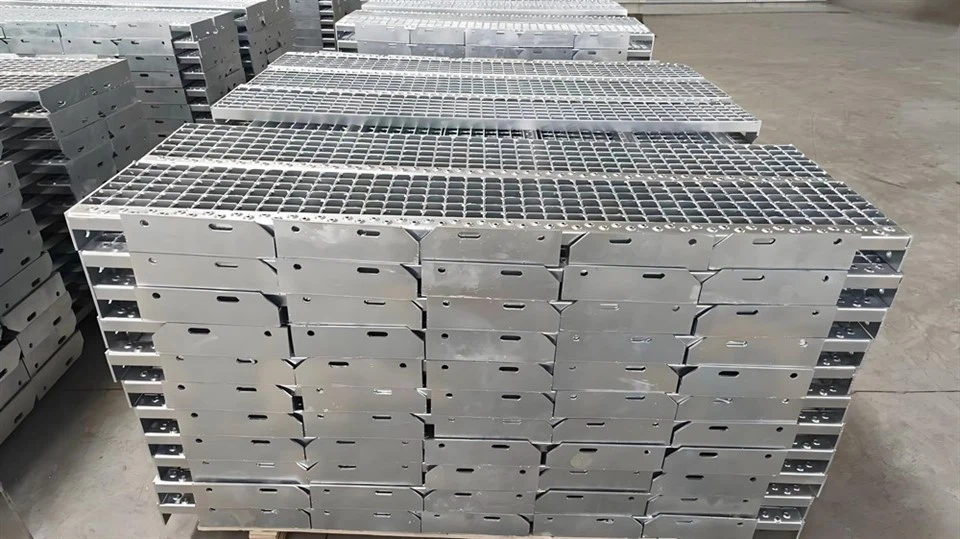
Manufacturers rely on metal sheet mesh for a range of applications. Flat Grating is often used in industrial platforms and walkways, providing a safe and stable surface for workers. The open design of the grating allows for drainage and ventilation, making it suitable for wet or dusty environments. Metal mesh is also used in machinery guards, protecting workers from moving parts and flying debris.
Agriculture Industry
In the agriculture industry, metal sheet mesh is used for animal enclosures, fencing, and grain storage. The strength of the mesh ensures that it can withstand the pressure and movement of animals, while its corrosion resistance makes it suitable for long - term outdoor use.
Architecture
Architects appreciate the strength and aesthetic appeal of metal sheet mesh. It can be used to create partitions, screens, and decorative elements in buildings. Ss Hole Sheet can be used to add texture and visual interest to interior and exterior spaces, while still maintaining the necessary strength and durability.
Customization and Adaptability
Metal sheet mesh can be easily customized to meet the specific requirements of different projects. The size, shape, and spacing of the holes can be adjusted, as well as the thickness and type of metal used. This customization allows for the creation of mesh that is tailored to the exact needs of the application, further enhancing its strength and performance.
For example, in a filtration application, the hole size of the mesh can be precisely controlled to ensure that only particles of a certain size are allowed to pass through. In a decorative application, the pattern of the holes can be designed to create a specific visual effect.
Cost - Effectiveness
Despite its many strengths and benefits, metal sheet mesh is often a cost - effective solution. Its long lifespan and low maintenance requirements mean that the initial investment can be offset by the savings in replacement and maintenance costs over time. Additionally, the versatility of metal sheet mesh means that it can be used in multiple applications, reducing the need for different materials and potentially lowering overall project costs.
Conclusion
In conclusion, the strength of metal sheet mesh lies in its physical and mechanical properties, corrosion resistance, versatility, customization options, and cost - effectiveness. Whether you're in the construction, manufacturing, agriculture, or architecture industry, metal sheet mesh offers a reliable and durable solution for your projects.
If you're interested in learning more about our metal sheet mesh products or have a specific project in mind, I encourage you to reach out. Our team of experts is ready to assist you in selecting the right mesh for your needs and providing you with a competitive quote. Let's start a conversation about how metal sheet mesh can enhance the strength and functionality of your next project.
References
- ASM Handbook Committee. (2004). ASM Handbook, Volume 1: Properties and Selection: Irons, Steels, and High - Performance Alloys. ASM International.
- Callister, W. D., & Rethwisch, D. G. (2014). Materials Science and Engineering: An Introduction. Wiley.
- Davis, J. R. (2001). Stainless Steels. ASM International.