




Can welded wire screen be used for oil and gas industry applications?
 Dec 03, 2025|
 Can Welded Wire Screen be Used for Oil and Gas Industry Applications?
As a supplier of Welded Wire Screen, I've often been asked whether our product can be applied in the oil and gas industry. This blog post aims to explore this question in detail, examining the properties of welded wire screens, the requirements of the oil and gas sector, and the potential applications and limitations in this industry.

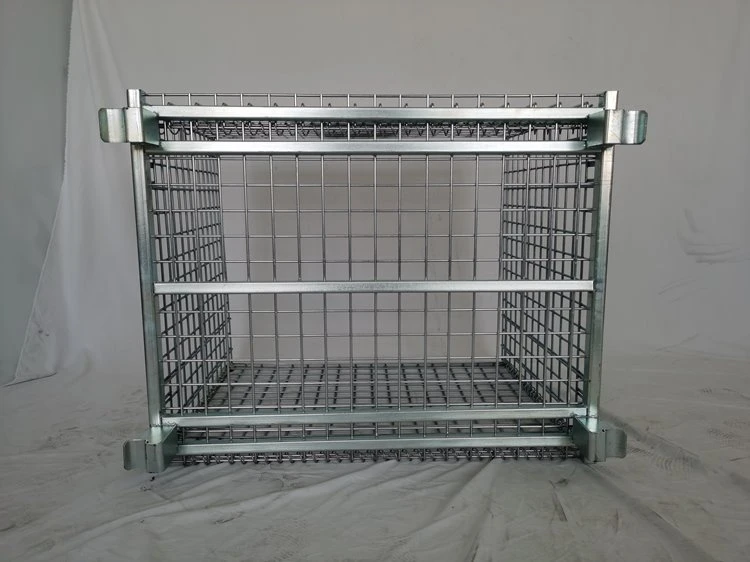
Properties of Welded Wire Screen
Welded wire screens are made by welding intersecting wires at their contact points. This manufacturing process results in a strong and durable structure. The wires used can be made from various materials, including stainless steel, carbon steel, and galvanized steel, each offering different levels of strength, corrosion resistance, and heat resistance.
Stainless steel welded wire screens are highly resistant to corrosion, making them suitable for environments where exposure to moisture, chemicals, or harsh weather conditions is a concern. Carbon steel screens, on the other hand, are known for their high strength and are often used in applications where mechanical stress is significant. Galvanized steel screens have a protective zinc coating that enhances their corrosion resistance, providing a cost - effective solution for many applications.
The mesh size of welded wire screens can be customized to meet specific requirements. Fine mesh screens can be used for filtering small particles, while larger mesh screens are suitable for applications where airflow or visibility is important. Additionally, the wire diameter can be adjusted to control the strength and flexibility of the screen.
Requirements of the Oil and Gas Industry
The oil and gas industry operates in some of the most challenging environments on Earth. Exploration, extraction, refining, and transportation processes all involve exposure to extreme temperatures, high pressures, corrosive chemicals, and abrasive materials.
In exploration and extraction, equipment needs to withstand the harsh conditions of drilling operations, including high - pressure wellbores and exposure to drilling fluids that may contain acids, salts, and other corrosive substances. Refining processes require equipment that can handle high - temperature and high - pressure reactions, as well as the separation of various components from crude oil. Transportation of oil and gas involves pipelines and storage tanks that need to be protected from corrosion and mechanical damage.
Potential Applications of Welded Wire Screen in the Oil and Gas Industry
Filtration
One of the most obvious applications of welded wire screens in the oil and gas industry is filtration. During the extraction process, crude oil often contains solid particles such as sand, rock fragments, and other debris. Welded wire screens can be used as filters to remove these particles, protecting downstream equipment from damage and improving the quality of the oil.
For example, in wellhead separators, welded wire screens can be installed to separate gas, oil, and water. The fine mesh screens can trap solid particles, allowing the fluids to pass through. In refineries, screens can be used in filtration units to remove impurities from various streams, such as lubricating oils and process water.
Protection
Welded wire screens can also be used for protection purposes. In oil and gas facilities, equipment needs to be protected from accidental impacts, vandalism, and the intrusion of small animals. Metal mesh cages made from welded wire screens can be used to enclose sensitive equipment, providing a physical barrier while still allowing for ventilation and visibility.
Metal Mesh Cage structures can be customized to fit the specific dimensions of the equipment they are protecting. They are easy to install and can be designed to be removable for maintenance purposes.
Ventilation and Diffusion
In some oil and gas applications, proper ventilation is crucial to prevent the accumulation of hazardous gases. Welded wire screens can be used in ventilation systems to allow for the exchange of air while preventing the entry of large objects or debris. They can also be used in gas diffusion systems to evenly distribute gases, ensuring efficient and safe operation.
Limitations and Challenges
While welded wire screens offer many potential benefits in the oil and gas industry, there are also some limitations and challenges that need to be considered.
Corrosion in Harsh Environments
Although stainless steel and galvanized steel welded wire screens offer good corrosion resistance, the extreme conditions in the oil and gas industry can still pose a challenge. In offshore platforms, for example, exposure to saltwater and harsh weather can accelerate the corrosion process. Special coatings or materials may need to be used to enhance the corrosion resistance of the screens in these environments.
Abrasion Resistance
The abrasive nature of some materials in the oil and gas industry, such as sand and rock fragments, can cause wear and tear on welded wire screens. Over time, the wires may become worn, reducing the effectiveness of the screen. Selecting wires with high abrasion resistance and proper design can help mitigate this issue.
High - Pressure and High - Temperature Resistance
In some applications, such as high - pressure wellbores and high - temperature refining processes, the welded wire screens need to withstand extreme conditions. The mechanical properties of the screen, including its strength and heat resistance, need to be carefully evaluated to ensure that it can perform under these conditions.
Conclusion
In conclusion, welded wire screens have significant potential for use in the oil and gas industry. Their versatility in terms of material selection, mesh size, and wire diameter allows them to be customized to meet the specific requirements of different applications. From filtration and protection to ventilation and diffusion, welded wire screens can play an important role in improving the efficiency and safety of oil and gas operations.
However, it is important to carefully consider the limitations and challenges associated with using welded wire screens in this industry. By selecting the right materials, coatings, and designs, these challenges can be effectively addressed.
If you are involved in the oil and gas industry and are interested in exploring the use of welded wire screens in your operations, I encourage you to contact us for further discussion. We have a team of experts who can provide you with detailed information and customized solutions based on your specific needs. Our Mineral Processing Screens also offer similar advantages and can be considered for related applications.
References
- ASM Handbook Committee. ASM Handbook, Volume 13A: Corrosion: Fundamentals, Testing, and Protection. ASM International, 2003.
- American Petroleum Institute. API Standards for Oil and Gas Equipment. API, various years.
- Callister, William D., Jr. Materials Science and Engineering: An Introduction. Wiley, 2010.