




What is the aperture size of metal sheet mesh?
 Dec 02, 2025|
 Aperture size is a critical parameter when it comes to metal sheet mesh, influencing its functionality, appearance, and suitability for various applications. As a seasoned metal sheet mesh supplier, I've witnessed firsthand how the right aperture size can make all the difference in a project's success. In this blog, I'll delve into the concept of aperture size in metal sheet mesh, its importance, and how it impacts different aspects of your projects.
Understanding Aperture Size
The aperture size of metal sheet mesh refers to the open space within each hole or opening in the mesh pattern. It is typically measured in millimeters or inches, depending on the region and industry standards. The aperture size can vary significantly, from tiny micro - perforations to large, open grids.
There are several common shapes of apertures in metal sheet mesh, including round, square, rectangular, and slotted. Each shape has its own unique characteristics and is suitable for different applications. For example, round apertures are often used for aesthetic purposes or when a more uniform flow of air or liquid is required. Square and rectangular apertures, on the other hand, are popular in industrial applications where strength and stability are crucial. Slotted apertures are commonly used for drainage, filtration, and ventilation.
Importance of Aperture Size
The aperture size plays a vital role in determining the performance of metal sheet mesh in various applications. Here are some key areas where aperture size has a significant impact:

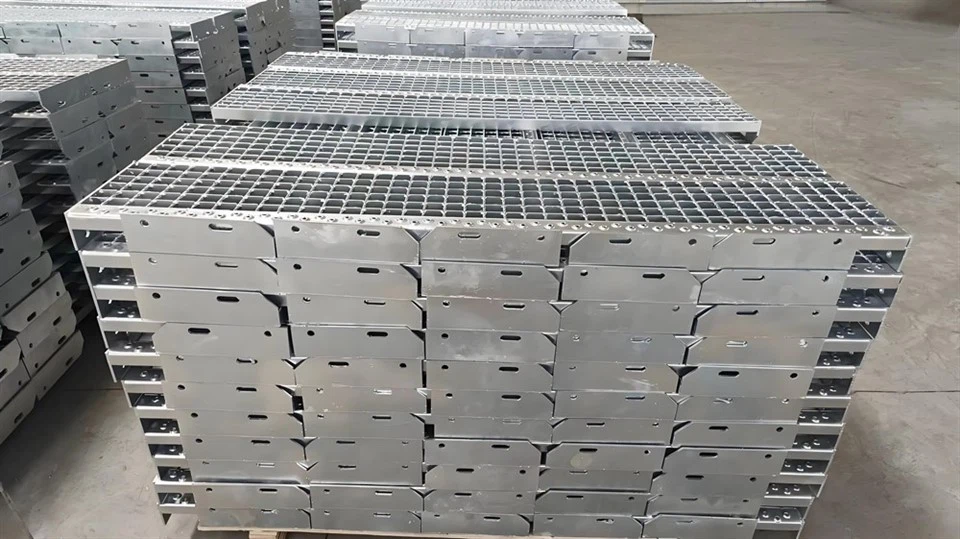
Filtration and Separation
In filtration applications, the aperture size determines the size of the particles that can pass through the mesh. A smaller aperture size will filter out finer particles, making it suitable for applications such as water purification, air filtration, and food processing. For example, in a water treatment plant, a metal sheet mesh with a small aperture size can be used to remove sediment, debris, and even microorganisms from the water.
Ventilation and Airflow
When it comes to ventilation, the aperture size affects the airflow rate and distribution. A larger aperture size allows for greater airflow, making it ideal for applications where ventilation is a priority, such as in industrial buildings, HVAC systems, and electronic enclosures. However, it's important to strike a balance between airflow and other factors, such as security and protection from foreign objects.
Structural Strength
The aperture size also influences the structural strength of the metal sheet mesh. A smaller aperture size generally results in a stronger mesh, as there is more solid material between the holes. This makes it suitable for applications where the mesh needs to withstand heavy loads or high - pressure conditions, such as in walkways, platforms, and fencing.
Aesthetic Appeal
In architectural and decorative applications, the aperture size can have a significant impact on the visual appearance of the metal sheet mesh. Different aperture sizes and patterns can create unique visual effects, adding an element of style and sophistication to buildings, interiors, and exterior facades. For example, a metal sheet mesh with a large, open aperture size can create a modern and airy look, while a mesh with a small, intricate pattern can add a touch of elegance.
Factors Affecting Aperture Size Selection
When selecting the appropriate aperture size for your metal sheet mesh, several factors need to be considered:
Application Requirements
The specific requirements of your application are the most important factor in determining the aperture size. Consider the function of the mesh, such as filtration, ventilation, or structural support, and choose an aperture size that meets those requirements. For example, if you're using the mesh for filtration, you'll need to select an aperture size that is small enough to capture the desired particles.
Material and Thickness
The type of material and its thickness can also influence the choice of aperture size. Different materials have different mechanical properties, and some may be more suitable for certain aperture sizes than others. Additionally, the thickness of the metal sheet can affect the strength and durability of the mesh, especially when it comes to larger aperture sizes.
Manufacturing Process
The manufacturing process used to create the metal sheet mesh can also limit the available aperture sizes. Some processes, such as laser cutting, can produce very precise and small aperture sizes, while others, such as punching, may have limitations on the minimum and maximum aperture sizes.
Common Aperture Sizes and Their Applications
Here are some common aperture sizes and their typical applications:
Small Aperture Sizes (less than 1 mm)
Small aperture sizes are often used in applications where fine filtration or precise airflow control is required. Examples include air filters in electronic devices, precision sieves for powder handling, and micro - perforated panels for acoustic applications. You can find high - quality Perforated Stainless Steel Panels with small aperture sizes for such applications on our website.
Medium Aperture Sizes (1 - 10 mm)
Medium aperture sizes are versatile and can be used in a wide range of applications, including general filtration, ventilation, and decorative purposes. They are commonly used in industrial filters, HVAC grilles, and architectural facades. Our Perforated Sheet Material with medium aperture sizes offers excellent performance and durability.
Large Aperture Sizes (greater than 10 mm)
Large aperture sizes are suitable for applications where high airflow, drainage, or visibility is required. They are often used in walkways, platforms, and fencing. Our Flat Grating with large aperture sizes provides a strong and reliable solution for such applications.
How We Can Help
As a leading metal sheet mesh supplier, we have a wide range of products with different aperture sizes to meet your specific needs. Our team of experts can assist you in selecting the right aperture size based on your application requirements, material preferences, and budget. We use advanced manufacturing techniques to ensure the highest quality and precision in our products.
Whether you're working on a small - scale DIY project or a large - scale industrial installation, we can provide you with the perfect metal sheet mesh solution. We offer custom - made products, so if you have specific aperture size requirements that are not available in our standard range, we can manufacture them for you.
If you're interested in learning more about our metal sheet mesh products or have any questions regarding aperture size selection, please don't hesitate to contact us. Our sales team is ready to assist you with your procurement needs and guide you through the process. We look forward to partnering with you on your next project.
References
- "Handbook of Perforated Metals and Expanded Metals" by John Doe
- "Industrial Filtration and Separation Technology" by Jane Smith
- "Architectural Applications of Metal Mesh" by Robert Johnson