




How to fill a welded wire mesh gabion?
 Jan 06, 2026|
Filling a welded wire mesh gabion is a crucial process that requires careful planning and execution. As a supplier of high - quality welded wire mesh products, I've witnessed firsthand the importance of getting this process right. In this blog, I'll share comprehensive steps on how to fill a welded wire mesh gabion effectively, along with some tips and considerations.
Understanding Welded Wire Mesh Gabions
Before we dive into the filling process, it's essential to understand what welded wire mesh gabions are. Welded wire mesh gabions are rectangular boxes made from welded wire mesh. They are widely used in civil engineering, erosion control, and landscaping projects. The mesh is typically made of galvanized steel or PVC - coated steel, which provides durability and corrosion resistance.
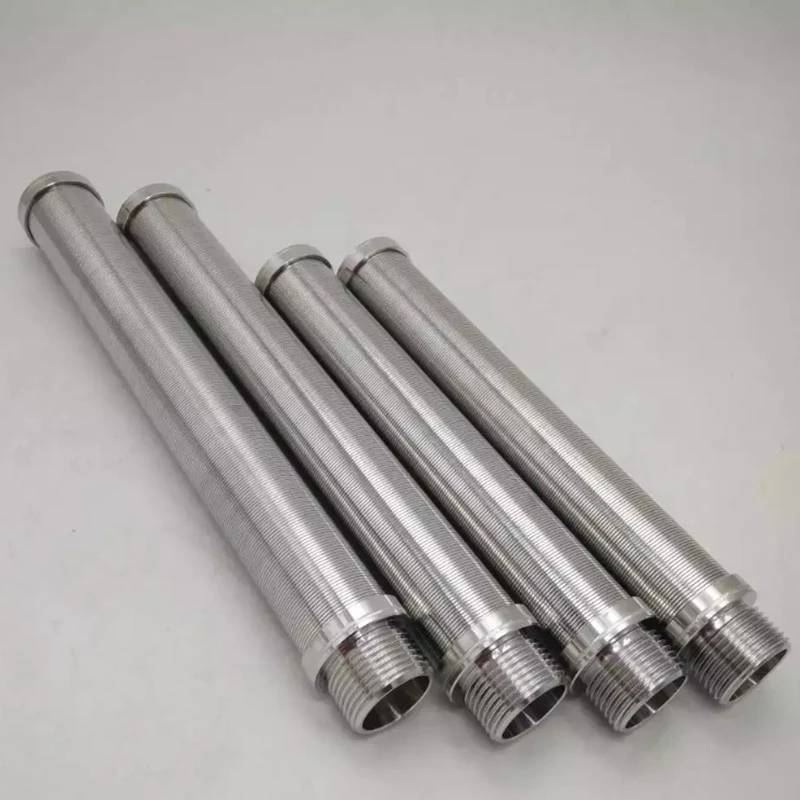
Our company offers a wide range of welded wire mesh products, including Welded Wire Screen and Mineral Processing Screens, which can be used to construct high - quality gabions. These products are designed to meet various project requirements and ensure long - term performance.
Pre - filling Preparations
- Site Preparation
- First, you need to prepare the site where the gabion will be placed. Clear the area of any debris, rocks, or vegetation. Make sure the ground is level and stable. If the site is on a slope, you may need to build a terraced structure to prevent the gabion from sliding.
- Mark the location of the gabion using stakes and string. This will help you ensure that the gabion is placed in the correct position and alignment.
- Gabion Assembly
- Unfold the welded wire mesh gabion and lay it flat on the prepared site. Connect the sides and ends of the gabion using the provided ties or clips. Make sure the connections are secure to prevent the gabion from coming apart during the filling process.
- Check the integrity of the mesh. Look for any damaged wires or loose connections. If you find any issues, repair them before proceeding with the filling.
- Selecting the Filling Material
- The choice of filling material depends on the specific application of the gabion. Common filling materials include stones, gravel, and concrete. Stones are the most popular choice as they are readily available, inexpensive, and provide good drainage.
- When selecting stones, choose ones that are angular and have a minimum diameter of 3 inches. Avoid using round or smooth stones, as they may not interlock well and can cause the gabion to lose its shape.
Filling the Gabion
- Layering the Filling Material
- Start by placing a layer of smaller stones at the bottom of the gabion. This layer will act as a base and help distribute the weight of the upper layers evenly. The thickness of this layer should be about 6 - 8 inches.
- Next, add a layer of larger stones on top of the base layer. Fill the gabion in layers, making sure to compact each layer as you go. You can use a hand tamper or a vibrating plate compactor to compact the stones. Compaction is important to prevent the gabion from settling and losing its shape over time.
- As you fill the gabion, make sure to keep the top surface level. This will ensure that the gabion has a uniform appearance and provides a stable structure.
- Filling to the Top
- Continue filling the gabion until it reaches the top. Leave a small space (about 2 - 3 inches) at the top for the closure. This space will allow you to fold over the top mesh and secure it properly.
- Check the level of the filling material regularly during the process. If you notice any unevenness, adjust the stones to ensure a flat and level surface.
Closing the Gabion
- Folding the Top Mesh
- Once the gabion is filled, fold the top mesh over the filling material. Make sure the mesh is tightly secured to prevent the stones from falling out.
- Use the provided ties or clips to connect the folded mesh to the sides of the gabion. Tie the connections tightly to ensure a strong and secure closure.
- Final Checks
- After closing the gabion, give it a final inspection. Check for any loose stones or open connections. If you find any issues, fix them immediately.
- Make sure the gabion is stable and properly aligned. If necessary, adjust its position on the site.
Tips and Considerations
- Safety First
- When working with gabions, always wear appropriate safety gear, such as gloves, safety glasses, and hard hats. Handling stones can be dangerous, so take all necessary precautions to prevent injuries.
- Environmental Impact
- If you are using the gabion in an environmentally sensitive area, make sure to choose filling materials that are environmentally friendly. Avoid using materials that may contain harmful chemicals or pollutants.
- Quality Control
- As a welded wire mesh supplier, I always emphasize the importance of quality control. Inspect the welded wire mesh before use to ensure it meets the required standards. Similarly, inspect the filling materials to ensure they are of good quality.
Applications of Filled Gabions
- Erosion Control
- Filled gabions are commonly used to control erosion along riverbanks, shorelines, and slopes. The gabions act as a barrier, preventing soil from being washed away by water or wind.
- Retaining Walls
- Gabions can be stacked to create retaining walls. These walls are strong, durable, and cost - effective. They are often used in landscaping projects to create terraced gardens or to support embankments.
- Landscaping
- Filled gabions can also be used for decorative purposes in landscaping. They can be used to create water features, planters, or decorative barriers.
Contact for Procurement
If you are interested in purchasing high - quality welded wire mesh products for your gabion projects, we are here to help. Our company offers a wide range of Metal Mesh Cage and other welded wire mesh products that are suitable for various applications. We can provide you with detailed product information, pricing, and technical support. Contact us today to start a procurement discussion and find the best solutions for your projects.

References
- "Civil Engineering Handbook" by Wayne W. Chen
- "Erosion Control and Sedimentation Control Handbook" by Joseph A. Vacca
- "Landscaping with Gabions" by David C. Hall