




What is the heat - resistance of flat gratings?
 Jan 06, 2026|
Hey there! As a supplier of Flat Grating, I often get asked about the heat - resistance of these products. So, I thought I'd sit down and write this blog to share some insights on this topic.
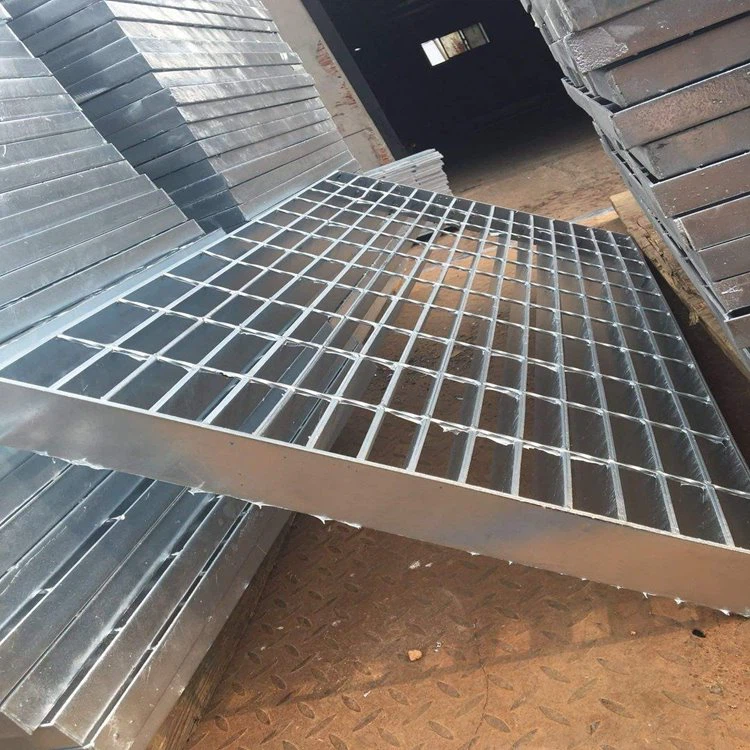
First off, let's understand what flat gratings are. Flat gratings are a type of metal structure made up of flat bars that are welded or locked together. They're used in a wide range of applications, from industrial flooring to walkways, because of their strength and durability. But when it comes to heat - resistance, there are a few things we need to dig into.
Factors Affecting Heat - Resistance
The heat - resistance of flat gratings depends on several factors. One of the most important is the material they're made from. Common materials for flat gratings include carbon steel, stainless steel, and aluminum.
Carbon Steel
Carbon steel is a popular choice for flat gratings because it's relatively inexpensive and strong. However, its heat - resistance isn't the best. When exposed to high temperatures, carbon steel can start to lose its strength. At around 400 - 500 degrees Celsius, the yield strength of carbon steel begins to drop significantly. As the temperature rises further, it can lead to deformation and even failure of the flat grating. For example, in a foundry where there are high - heat processes, using carbon steel flat gratings without proper protection might not be the best idea.
Stainless Steel
Stainless steel, on the other hand, offers better heat - resistance. Different grades of stainless steel have different heat - resistance properties. For instance, grade 304 stainless steel can withstand temperatures up to about 870 degrees Celsius for short periods. Grade 316 stainless steel, which contains molybdenum, has even better corrosion and heat - resistance. It can handle temperatures up to around 925 degrees Celsius. This makes stainless steel flat gratings a great option for applications in high - heat environments like chemical plants or food processing facilities where there are also concerns about corrosion.

Aluminum
Aluminum flat gratings are lightweight and have good corrosion resistance. But their heat - resistance is relatively low compared to steel. Aluminum starts to soften at around 200 - 300 degrees Celsius. So, they're not suitable for extremely high - heat applications. However, in some low - heat or moderate - heat settings, like in some outdoor walkways where there might be some solar heating, aluminum flat gratings can work just fine.
Surface Treatments and Coatings
Another factor that can affect the heat - resistance of flat gratings is surface treatments and coatings. For carbon steel flat gratings, applying a heat - resistant paint or coating can help protect them from high temperatures. These coatings act as a barrier between the metal and the heat source, reducing the rate at which the metal heats up. Some coatings can also prevent oxidation, which can further weaken the metal over time.
For example, ceramic coatings are known for their excellent heat - resistance. They can withstand very high temperatures and provide good insulation for the underlying metal. By applying a ceramic coating to a carbon steel flat grating, you can increase its ability to handle heat and extend its lifespan in high - heat environments.
Applications and Heat - Resistance Requirements
The heat - resistance requirements for flat gratings vary depending on the application. In industrial settings such as power plants, where there are boilers and high - temperature pipes, the flat gratings need to be able to withstand very high temperatures. Stainless steel flat gratings are often the go - to choice in these situations because of their superior heat - resistance.
In commercial buildings, like shopping malls or office complexes, the heat - resistance requirements are much lower. Here, carbon steel or aluminum flat gratings can be used, as the heat sources are mainly from normal electrical equipment and sunlight. The flat gratings in these buildings are more for aesthetic and functional purposes, like providing a safe walking surface.
In the food industry, flat gratings are used in areas where there are cooking processes or hot equipment. The heat - resistance requirements here are moderate, but there are also additional concerns about hygiene and corrosion. Stainless steel flat gratings are ideal in this case, as they can handle the heat, are easy to clean, and resist corrosion from food acids and cleaning agents.
Comparing with Other Materials
When it comes to heat - resistance, it's also interesting to compare flat gratings with other similar materials. For example, Perforated Sheet Material is another type of metal product used in various applications. Perforated sheets can also be made from different materials like carbon steel, stainless steel, and aluminum.
In terms of heat - resistance, the principles are similar to flat gratings. Stainless steel perforated sheets generally have better heat - resistance than carbon steel ones. However, the perforations in the sheets can affect how they handle heat. The open areas in perforated sheets allow for better heat dissipation compared to solid flat gratings. This means that in some cases, perforated sheets might be able to handle heat better, especially if there is good air circulation around them.
Why Choose Our Flat Gratings
As a supplier of Flat Grating, we offer a wide range of options to meet different heat - resistance requirements. Whether you need carbon steel flat gratings for a low - heat application or high - grade stainless steel flat gratings for a high - heat industrial setting, we've got you covered.
We source our materials from reliable suppliers and ensure that all our flat gratings meet high - quality standards. Our team of experts can also provide advice on the best type of flat grating for your specific heat - resistance needs. We understand that every project is unique, and we're committed to helping you find the perfect solution.
If you're in the market for flat gratings and have questions about heat - resistance or any other aspect, don't hesitate to reach out. We're here to assist you in making the right choice for your project. Whether you need a small quantity for a DIY project or a large order for an industrial installation, we can work with you.
In conclusion, understanding the heat - resistance of flat gratings is crucial when choosing the right product for your application. By considering factors like material, surface treatments, and the specific heat - resistance requirements of your project, you can ensure that your flat gratings will perform well and last a long time. So, if you're looking for high - quality Flat Grating with the right heat - resistance properties, give us a chance to serve you.
References
- "Metals Handbook: Properties and Selection: Irons, Steels, and High - Performance Alloys"
- "Corrosion and Protection of Metals"
- Industry reports on flat grating applications and heat - resistance testing