




How to install flat gratings on a hangar floor?
 Oct 22, 2025|
Installing flat gratings on a hangar floor is a crucial task that requires careful planning, precision, and the right materials. As a leading Flat Grating supplier, I've witnessed firsthand the transformative impact that well - installed flat gratings can have on hangar floors. In this blog, I'll guide you through the step - by - step process of installing flat gratings on a hangar floor.
Step 1: Planning and Preparation
Before you start the installation process, it's essential to have a well - thought - out plan. First, measure the hangar floor accurately. Determine the exact area where the flat gratings will be installed. This will help you calculate the quantity of Flat Grating needed. Consider the layout of the hangar, including any existing structures, support columns, or areas that require special attention.
Next, select the appropriate type of flat grating. There are various options available, such as Extruded Steel Mesh and Perforated Stainless Steel Panels. The choice depends on factors like load - bearing requirements, corrosion resistance, and the intended use of the hangar. For heavy - duty hangars where aircraft are regularly parked and serviced, a high - strength flat grating is recommended.

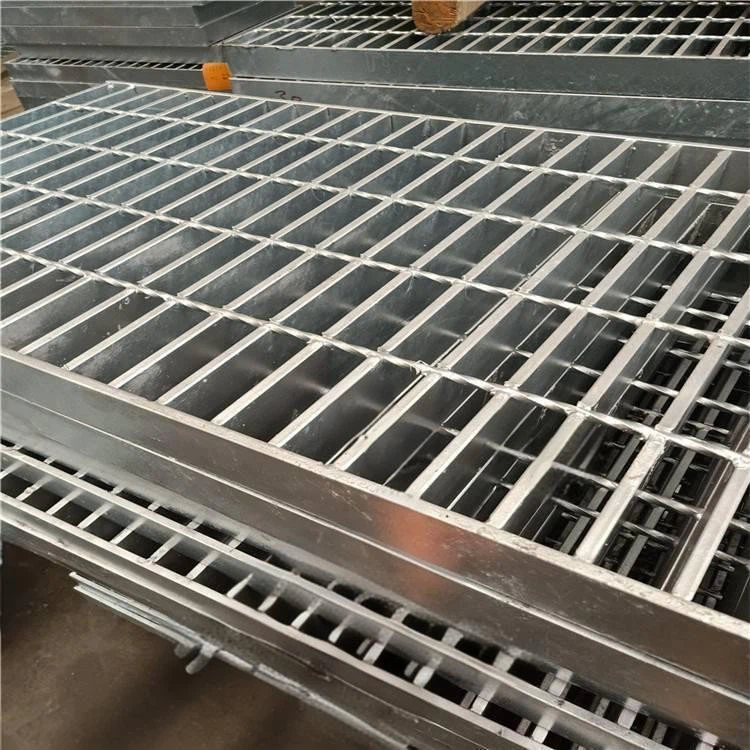
Also, make sure to gather all the necessary tools and equipment. You'll need a measuring tape, a level, a welder (if required for permanent installation), a drill, bolts, nuts, and a safety harness for working at heights if applicable. Safety should always be a top priority, so ensure that all workers are equipped with appropriate personal protective equipment (PPE), including hard hats, safety glasses, and steel - toed boots.
Step 2: Surface Preparation
The hangar floor surface must be properly prepared before installing the flat gratings. Start by cleaning the floor thoroughly. Remove any dirt, debris, oil, or grease. A clean surface ensures better adhesion and a more stable installation. You can use a pressure washer or a suitable cleaning agent to achieve a clean floor.
Inspect the floor for any cracks, unevenness, or damage. Minor cracks can be filled with a suitable floor filler, while larger cracks may require more extensive repair work. The floor should be as level as possible to prevent any wobbling or instability of the flat gratings once installed. Use a level to check the floor's flatness and make any necessary adjustments.
Step 3: Layout and Marking
Once the floor is prepared, it's time to lay out the flat gratings. Begin by marking the position of the gratings on the floor. Use a chalk line or a marker to create a grid pattern that corresponds to the size and shape of the flat gratings. Make sure to leave appropriate gaps between the gratings for expansion and contraction due to temperature changes.
If the hangar floor has any irregular shapes or areas with obstacles, you may need to cut the flat gratings to fit. Use a suitable cutting tool, such as a saw, to make precise cuts. Always wear appropriate safety gear when cutting the gratings to prevent injuries from flying debris.
Step 4: Installation of Flat Gratings
There are two main methods of installing flat gratings: bolted installation and welded installation.
Bolted Installation
Bolted installation is a popular choice as it allows for easy removal and replacement of the gratings if needed. Start by placing the flat gratings in the marked positions on the floor. Align the holes in the gratings with the pre - drilled holes in the floor. Insert the bolts through the holes and secure them with nuts. Use a wrench to tighten the bolts firmly, but be careful not to over - tighten, as this can damage the gratings or the floor.
Welded Installation
Welded installation provides a more permanent and rigid connection. If you choose this method, make sure you have a qualified welder on - site. First, place the flat gratings in position. Then, weld the gratings to the floor at the specified points. Welding should be done according to the appropriate welding standards and procedures to ensure a strong and durable connection. After welding, clean the welded areas to remove any slag or debris.
Step 5: Testing and Quality Assurance
After the installation is complete, it's important to conduct a thorough test to ensure the safety and functionality of the flat gratings. Walk across the gratings to check for any signs of movement, rattling, or instability. Use a load - testing device to verify that the gratings can withstand the expected loads.
Inspect the installation for any visible defects, such as loose bolts, improper welding, or misaligned gratings. Make any necessary adjustments or repairs immediately. Ensure that the edges of the gratings are smooth and free from sharp edges to prevent injuries.
Step 6: Maintenance
Proper maintenance is essential to extend the lifespan of the flat gratings on the hangar floor. Regularly clean the gratings to remove dirt, debris, and any corrosive substances. Inspect the gratings periodically for signs of wear, corrosion, or damage. Replace any damaged or worn - out gratings promptly to maintain the safety and integrity of the floor.
If the hangar is located in a corrosive environment, such as near the coast, consider applying a protective coating to the gratings to enhance their corrosion resistance. Follow the manufacturer's recommendations for maintenance and coating application.
In conclusion, installing flat gratings on a hangar floor is a complex but rewarding process. By following these steps and using high - quality Flat Grating products, you can ensure a safe, durable, and functional hangar floor. If you're in the process of planning a hangar floor installation or need to replace existing gratings, I encourage you to get in touch with us. As a trusted Flat Grating supplier, we have the expertise and the products to meet your specific needs. Whether you're looking for Extruded Steel Mesh or Perforated Stainless Steel Panels, we can provide you with the best solutions. Contact us today to discuss your project requirements and start the procurement process.
References
- "Structural Steel Design Handbook"
- "Installation Guidelines for Metal Gratings"
- Industry standards and best practices for hangar floor installations.