




How to store a warning barrier fence when not in use?
 Dec 08, 2025|
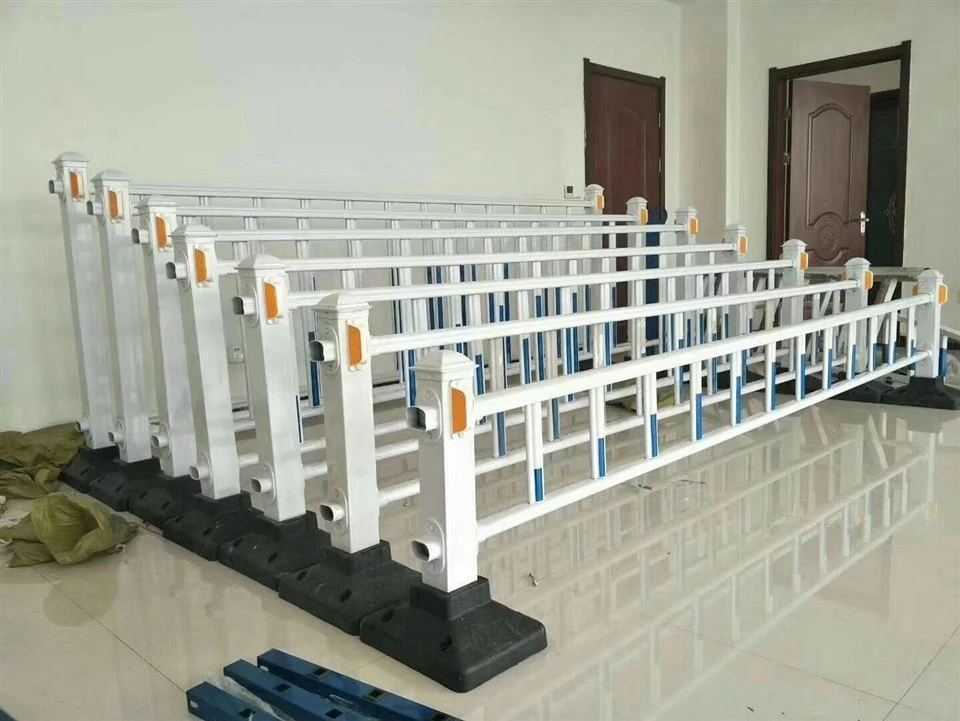
 Hey there! As a supplier of warning barrier fences, I've seen firsthand how important it is to store these barriers properly when they're not in use. In this blog post, I'll share some tips on how to store your warning barrier fence effectively, ensuring it stays in good condition for future use.
Why Proper Storage Matters
First off, let's talk about why proper storage is so crucial. Warning barrier fences are often used in high - traffic areas, construction sites, or places where safety is a top priority. These fences are exposed to all kinds of weather conditions, from scorching sun to heavy rain and even snow. If you don't store them correctly, they can get damaged, which not only shortens their lifespan but also compromises their effectiveness when you need them.
Cleaning Before Storage
Before you store your warning barrier fence, it's essential to give it a good clean. Use a mild detergent and water to remove dirt, grime, and any debris that may have accumulated on the fence. If there are any stubborn stains, you can use a soft - bristled brush to scrub them gently. Make sure to rinse the fence thoroughly to remove all the soap residue. This step is important because dirt and grime can cause corrosion over time, especially if the fence is made of metal.

Drying Completely
After cleaning, allow the fence to dry completely. You can let it air - dry in a well - ventilated area. Avoid storing the fence while it's still wet, as moisture can lead to rust and mold growth. If you're in a hurry, you can use a clean cloth to pat the fence dry, but make sure you get into all the nooks and crannies.
Disassembly (if applicable)
Some warning barrier fences are designed to be disassembled. If yours is one of them, take the time to disassemble it before storage. This will make it easier to store and also reduce the risk of damage. Keep all the parts together, and you can use a small bag or container to store the nuts, bolts, and other small components. Label the parts if necessary, so you know how to reassemble them later.
Choosing the Right Storage Location
Now, let's talk about where to store your warning barrier fence. The ideal storage location should be dry, cool, and protected from the elements. A storage shed or a garage is a great option. If you don't have access to a shed or garage, you can also use a covered area outside, but make sure it's elevated off the ground to prevent water from pooling around the fence.
Avoid storing the fence in direct sunlight for extended periods, as UV rays can cause the plastic parts (if any) to fade and become brittle. Also, keep the fence away from chemicals and sharp objects that could damage it.
Stacking and Organizing
When it comes to stacking the fence, be careful not to stack it too high. If the stack is too tall, it can topple over and cause damage. You can use pallets or racks to stack the fence in an organized manner. This will also make it easier to access the fence when you need it.
If you have different types of warning barrier fences, it's a good idea to separate them. For example, you can keep Roadside Guardrail, Pedestrian Guardrail, and Stadium Fence in different sections of your storage area. This way, you can quickly find the type of fence you need without having to rummage through a big pile.
Protecting with Covers
To provide an extra layer of protection, you can use covers to wrap the fence. There are special covers available in the market that are designed for storing fences. These covers can protect the fence from dust, dirt, and moisture. Make sure the cover fits the fence properly and is secured tightly.
Regular Inspections
Even when the fence is in storage, it's a good idea to conduct regular inspections. Check for any signs of damage, such as rust, cracks, or loose parts. If you notice any issues, address them immediately. This will help you catch problems early and prevent them from getting worse.
Long - Term Storage Considerations
If you're planning to store the fence for a long time, you may want to take some additional steps. For metal fences, you can apply a thin layer of rust - preventive oil to protect them from corrosion. For plastic fences, you can store them in a temperature - controlled environment to prevent warping.
Conclusion
Storing a warning barrier fence properly is not rocket science, but it does require a bit of effort. By following these tips, you can ensure that your fence stays in good condition and is ready to use whenever you need it.
If you're in the market for high - quality warning barrier fences, whether it's Roadside Guardrail, Pedestrian Guardrail, or Stadium Fence, we've got you covered. We offer a wide range of fences that are durable, reliable, and meet all the safety standards. Contact us today to discuss your specific requirements and let's start a great business relationship!
References
- General knowledge from years of experience in the warning barrier fence supply industry.
- Tips and best practices shared by industry experts.