




What is the definition of metal sheet mesh?
 Dec 08, 2025|
Hey there! As a metal sheet mesh supplier, I've been getting a lot of questions lately about what metal sheet mesh actually is. So, I thought I'd take a few minutes to break it down for you.
Let's start with the basics. Metal sheet mesh is a type of material made from metal sheets that have been processed to create a pattern of holes or openings. These holes can come in all sorts of shapes and sizes, depending on the specific application and the customer's requirements.
One of the most common types of metal sheet mesh is the Perforated Steel Sheet. This is made by punching holes into a steel sheet using a specialized machine. The holes can be round, square, rectangular, or even custom shapes. Perforated steel sheets are used in a wide range of industries, from construction and architecture to automotive and manufacturing.
In construction, for example, perforated steel sheets can be used as facade panels, providing both aesthetic appeal and functionality. They can allow for ventilation while also blocking out unwanted sunlight or debris. In the automotive industry, they're often used in exhaust systems or as grilles, helping to manage airflow and protect internal components.
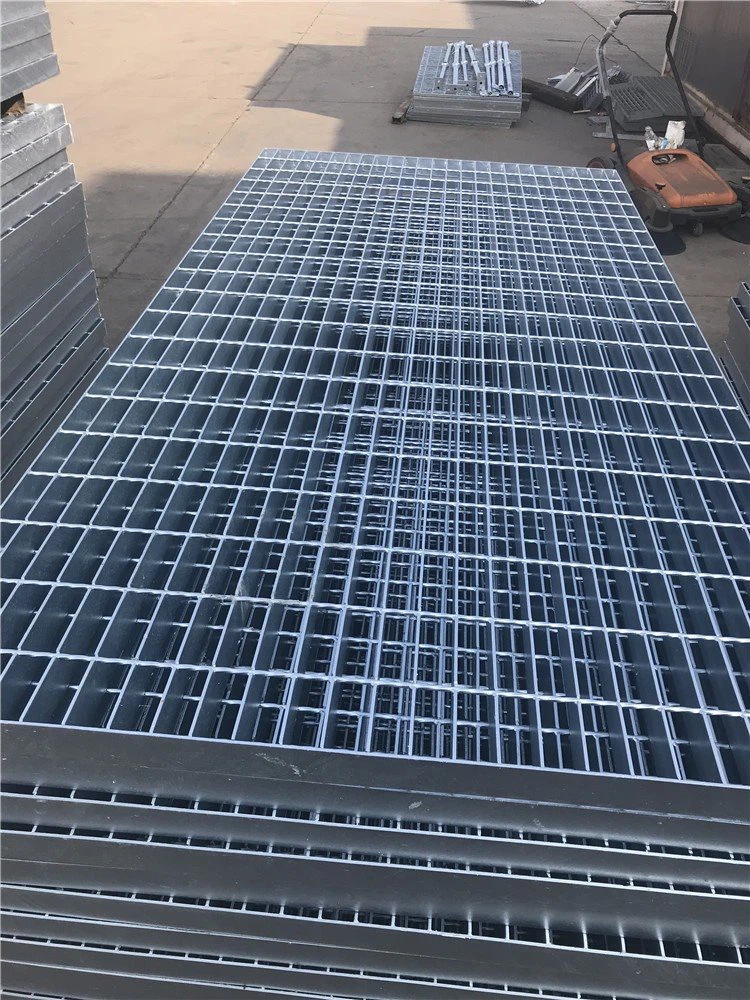
Another popular type is the Flat Grating. Flat grating is typically made by welding or locking flat bars together to form a grid-like structure. It's known for its strength and durability, making it ideal for heavy-duty applications. You'll often see flat grating used in industrial settings, like factories and warehouses, as flooring or walkways. It provides a safe and stable surface for workers to walk on, even in areas where there might be a lot of foot traffic or heavy equipment.
The Perforated Sheet Material is also quite versatile. It can be made from different metals, including stainless steel, aluminum, and brass. Each metal has its own unique properties. Stainless steel, for instance, is highly resistant to corrosion, making it a great choice for outdoor applications or environments where there's a lot of moisture. Aluminum, on the other hand, is lightweight and easy to work with, which is why it's often used in applications where weight is a concern, like in the aerospace industry.
Now, let's talk about how metal sheet mesh is made. The process usually starts with a flat metal sheet. Depending on the type of mesh being produced, different techniques are used. For perforated sheets, as I mentioned earlier, a punching machine is used to create the holes. The machine has a set of dies that are designed to cut through the metal at specific intervals and in a specific pattern.
For flat grating, the flat bars are first cut to the appropriate length. Then, they're either welded together at the intersections or locked using a special locking mechanism. This creates a strong and stable structure that can withstand a lot of weight and stress.
The benefits of using metal sheet mesh are numerous. First of all, it's extremely durable. Metals like steel and stainless steel can last for decades, even in harsh environments. This means that once you install metal sheet mesh, you won't have to worry about replacing it anytime soon.
Secondly, it's very versatile. With so many different hole patterns, shapes, and sizes available, you can find a metal sheet mesh that's perfect for your specific application. Whether you need it for filtration, ventilation, decoration, or structural support, there's a mesh out there that can do the job.
Another advantage is its aesthetic appeal. Metal sheet mesh can add a modern and industrial look to any space. It can be used in interior design to create unique partitions or feature walls, or in exterior design to enhance the appearance of a building's facade.
When it comes to choosing the right metal sheet mesh for your project, there are a few things you need to consider. First, think about the application. What will the mesh be used for? If it's for a filtration system, you'll need a mesh with very small holes to trap particles effectively. If it's for a walkway, you'll need a strong and slip-resistant mesh.
Next, consider the environment. Will the mesh be exposed to moisture, chemicals, or extreme temperatures? If so, you'll need to choose a metal that can withstand these conditions. Stainless steel is a great choice for corrosive environments, while aluminum might be better for applications where weight is a concern.
You also need to think about the hole pattern and size. The pattern can affect the strength, airflow, and appearance of the mesh. For example, a hexagonal hole pattern might provide better strength than a square pattern, while a larger hole size will allow for more airflow.
As a metal sheet mesh supplier, I've seen firsthand how important it is to choose the right product. That's why we offer a wide range of metal sheet meshes to meet the needs of our customers. Whether you're a contractor working on a large construction project or a DIY enthusiast looking for a unique material for your home, we've got you covered.
If you're interested in learning more about our metal sheet meshes or have any questions about which product is right for you, don't hesitate to reach out. We're here to help you find the perfect solution for your project. Just drop us a message, and we'll be in touch as soon as possible to discuss your requirements and provide you with a quote.
In conclusion, metal sheet mesh is a fantastic material that offers a lot of benefits. It's durable, versatile, and aesthetically pleasing, making it a great choice for a wide range of applications. Whether you're looking for a perforated steel sheet, flat grating, or perforated sheet material, there's a metal sheet mesh out there that can meet your needs. So, if you're in the market for this type of product, give us a shout, and let's work together to find the perfect solution for you.
References

- General knowledge from the metal sheet mesh industry
- Experience as a metal sheet mesh supplier